

6 Content Repurposing Strategies
Hiding in Old Posts
Use These To Get Fresh Traffic To Your Page

Why Content Repurposing Strategies
Matter More Than Ever
Creating content from scratch can feel like trying to fill a bathtub with a teaspoon.
You sit down, stare at the screen, crack your knuckles, and wait for the genius lightning bolt to hit.
However, most of the time, your brain decides to go on vacation right when you need it most.
That is why content repurposing strategies are so useful, especially for beginner marketers.
Instead of constantly chasing brand-new ideas, you can take content you already created and turn it into fresh traffic, fresh attention, and fresh opportunities.
In simple terms, you are squeezing more juice out of the same orange.
Better yet, you are not being lazy.
You are being smart.
Old content is not dead just because it has already been published.
In fact, some of your older posts, videos, emails, or social content may still have plenty of life left in them.
The trick is knowing how to reshape them so they feel new, useful, and easy to consume.

What Content Repurposing Really Means
Content repurposing means taking one piece of existing content and turning it into something else.
For example, a blog post can become a short video.
Meanwhile, a video can become an email newsletter.
In addition, a list-style article can become an infographic, checklist, social post, or simple guide.
The core message stays the same, but the format changes.
For a deeper example, you can also see how to turn one post into 10 assets without making your brain feel like melted cheese.
That matters because people consume content in different ways.
Some people love reading.
Others would rather watch a quick video while eating cereal in their pajamas.
On the other hand, some people prefer short social posts because their attention span has been bullied by their phone for the last ten years.
By using content repurposing strategies, you give the same idea more chances to reach different people.
As a result, your content works harder without forcing you to start from zero every day.
That is good news for your time, your brain, and probably your coffee budget too.
Content Repurposing Strategies
Start With Your Best Content
Before you repurpose old content, you need to know which pieces are worth reusing.
Not every post deserves a comeback tour.
Some content may be outdated, thin, or about as exciting as watching toast cool down.
However, your best content already gives you clues.
Look for articles that received traffic, shares, replies, saves, or good feedback.
In addition, pay attention to posts that answer common beginner questions.
Those are often great candidates because people are already showing interest.
For example, if you wrote a blog post called “How to Start Email Marketing as a Beginner,” that could become several smaller pieces.
You could turn it into social tips, a short video, a checklist, a newsletter, and even a lead magnet.
The idea is simple.
Start with content that already has value.
If you are unsure what makes a piece worth reusing, this guide on how to create valuable content will help you spot the good stuff faster.
Then, reshape it into new formats so more people can discover it.
Content repurposing strategies work best when you begin with strong material instead of trying to revive something that was weak from the start.
Content Repurposing Strategies
For Turning Blog Posts Into Social Posts
One of the easiest content repurposing strategies is turning blog posts into social media content.
Long blog posts usually contain several smaller ideas hiding inside them.
Think of your article like a big sandwich.
Inside that sandwich, there are slices of advice, examples, tips, lessons, and warnings.
Instead of serving the whole sandwich every time, you can pull out one tasty bite and share it as a short post.
For example, a blog post about content repurposing for SEO could become several social posts.
One post could explain why older content should be updated.
Another could share a quick tip about turning headings into social captions.
Meanwhile, another could show a simple before-and-after example.
This works well because social media users often prefer quick, easy-to-read ideas.
They may not stop to read a full article right away.
However, they might engage with one useful tip.
Later, that small piece of content can lead them back to your larger article.

How To Repurpose Old Content Without Sounding Boring
When you repurpose old content, do not simply copy and paste the same words everywhere.
That is not repurposing.
That is cloning.
And honestly, nobody needs a weird content clone army marching across the internet.
Instead, adapt the idea for the platform.
Before you post the new version, use stronger content hooks that stop the scroll so your recycled idea actually gets noticed.
For example, a blog post can explain a topic in detail.
If you need extra angles, these social media content ideas for beginners can help you turn one article into several easy posts.
However, a social post should be shorter, punchier, and easier to scan.
A video script should sound natural when spoken out loud.
Meanwhile, an email should feel more personal, like you are talking to one reader over coffee.
To repurpose old content well, change the angle.
You can turn one blog section into a lesson, a mistake, a myth, a checklist, or a quick story.
In addition, you can update old examples so the content feels current.
This keeps your reused content from feeling stale.
The goal is not to trick people into thinking it is brand new.
Rather, the goal is to make an already useful idea easier to find, understand, and enjoy.
Content Repurposing Strategies
For Turning Articles Into Videos
Another powerful option is turning articles into videos.
Many people would rather watch than read, especially when they are learning something new.
That is why content repurposing strategies should include video whenever possible.
Thankfully, you do not need a Hollywood studio, dramatic lighting, or a director shouting through a megaphone.
You can start simple.
Take one article and pull out the main points.
Then, turn those points into a short script.
For example, if your article shares six ways to repurpose blog posts, your video could explain three of those ways in under two minutes.
You could also create a quick screen-share video showing how you break down a blog post into smaller content ideas.
In addition, beginner marketers can use simple slides, talking-head videos, or basic visuals.
The important part is clarity.
People do not expect perfection.
They want useful information that helps them solve a problem.
So, keep the video focused, friendly, and easy to follow.

Simple Video Examples Beginners Can Use
A beginner-friendly video does not need to be complicated.
For example, you could record a short video called “3 Ways to Get More From One Blog Post.”
In that video, you might explain how one post can become a social caption, an email, and a short tutorial.
Another idea is a “behind-the-scenes” video.
You could show your screen while highlighting sections of an old article.
Then, explain how each section could become a new piece of content.
Meanwhile, a quick tip video could focus on one tiny lesson.
For instance, you could say, “Take every heading from your blog post and turn it into a question for social media.”
That is useful, simple, and easy to apply.
In addition, you could turn a list article into a short countdown video.
This works nicely because numbered content gives people structure.
When viewers know there are six tips, three mistakes, or five steps, they are more likely to stay until the end.
Content Repurposing Strategies
For Creating Infographics
Some content is perfect for visuals.
For example, list posts, step-by-step tutorials, statistics, frameworks, and comparison articles can often become infographics.
This is one of those content repurposing strategies that can make your ideas easier to understand at a glance.

An infographic takes information and turns it into a visual summary.
Instead of asking someone to read a full article, you give them the “snack version.”
That is helpful because people often scroll fast.
A clear visual can stop them for a second and make them think, “Oh, that actually looks useful.”
For example, a blog post called “6 Content Repurposing Ideas Every Beginner Marketer Should Try” could become a simple infographic.
Each section could be shown as one box.
The boxes might include social posts, videos, infographics, emails, guides, and new platforms.
In addition, you can use the infographic inside the original blog post to make it more helpful.
That gives readers a quick recap and improves the overall user experience.
Turn Long Content Into Helpful Email Newsletters
Email newsletters are a great place to reuse existing content.
This works even better when you understand the //purpose of email marketing[14MAY] and how it keeps people connected to your best ideas.
After all, your subscribers may not have seen your original blog post.
Even if they did, they might not remember it.
Let’s be honest, most of us forget what we had for lunch yesterday.
So, reminding people about useful content is not annoying when you do it well.
A blog post can become a short email that shares one key idea.
For example, an article about repurpose blog posts could become an email about saving time with old content.
You might open with a quick personal story about feeling stuck for ideas.
Then, you can introduce the simple fix: look at content you already created.
After that, share one practical tip and invite readers to check out the full article.
In addition, newsletters let you add more personality.
You can explain why the topic matters, share a small lesson, and make the reader feel like they are getting friendly advice instead of a textbook lecture.
Content Repurposing Strategies
For Combining Posts Into A Guide
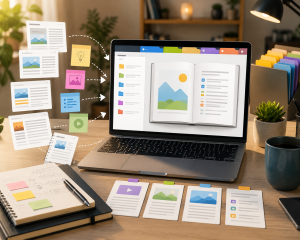
Over time, you may create several pieces of content around the same topic.
That is where content repurposing strategies can get really exciting.
Instead of leaving those posts scattered around like socks after laundry day, you can organize them into a larger guide.
For example, imagine you have written separate posts about traffic, email content, blog writing, social media, and beginner SEO.
Those posts could become a beginner-friendly guide about building an online presence.
Each article becomes one chapter or section.
In addition, you can add an introduction, summary, checklist, and extra examples to make the guide feel complete.
This is helpful because people often prefer one organized resource instead of hunting through several separate posts.
A guide also gives you something valuable to share with your audience.
Better yet, when that guide supports your email list building strategies, it can help turn casual readers into people who want to hear from you again.
For example, Internet Profit Success could publish a simple beginner guide built from related blog posts and use it to help new readers understand the basics faster.
How To Repurpose Blog Posts Into A Beginner-Friendly Ebook
Turning blog posts into an ebook sounds fancy, but it does not have to be scary.
You are not writing a giant novel with dragons, betrayal, and seventeen confusing family trees.
Instead, you are organizing helpful content into a simple resource.
To repurpose blog posts into an ebook, start by choosing posts that fit one theme.
For example, if your theme is content creation, gather posts about blogging, social media, video, email, and SEO.
Then, arrange them in a logical order.
A beginner should be able to move from one idea to the next without feeling lost.
Next, smooth out the transitions.
Since the posts were originally separate, some parts may repeat or feel disconnected.
However, a little editing can fix that.
In addition, add examples, worksheets, prompts, or action steps.
These extras make the ebook more useful.
Finally, create a clear title that explains the benefit.
A good ebook should feel like a shortcut, not homework wearing a fake mustache.
Content Repurposing Strategies
For Publishing on New Platforms
Another smart move is publishing your content on new platforms.
This does not mean dumping the exact same article everywhere like a content dump truck.
Instead, adapt your idea to fit each platform.
For example, a blog post can become a shorter article on another content platform.
Meanwhile, the same idea can become a discussion post in a community.
In addition, it can become a short thread, a video outline, or a question-based post.
Different platforms have different styles.
A blog post can be detailed and SEO-focused.
On the other hand, a community post should usually be more conversational.
A social post may need a stronger hook.
A video may need a quick opening that gets attention right away.
By adjusting your content, you make it feel native to the place where it appears.
This matters because people can smell lazy copy-paste content from three websites away.
Content repurposing strategies work better when each version feels like it belongs.
Content Repurposing For SEO Update Before You Reuse
Content repurposing for SEO is not only about creating more content.
It is also about making your existing content better.
Before you repurpose old content, review it carefully.
A simple content publishing checklist can help you catch weak hooks, missing examples, and messy structure before the updated version goes live.
Some details may be outdated.
Other sections may be too thin.
In addition, your examples may need a refresh.
Updating old content helps search engines and readers understand that your post is still useful.
For example, you might add new tips, improve headings, rewrite weak sections, or include clearer examples.
You can also add related keyphrases naturally, such as repurpose old content, repurpose blog posts, and content repurposing for SEO.
However, do not stuff keywords into every sentence.
That makes your writing sound like a robot trying to win a spelling bee.
Instead, use keywords where they make sense.
Place them in the title, introduction, headings, and a few natural spots throughout the article.
The goal is to help search engines understand the topic while still making the content enjoyable for humans.
Content Repurposing Strategies
For Building Topic Clusters
Topic clusters are another helpful SEO idea.
They may sound technical, but the concept is simple.
You create one main piece of content about a broad topic.
Then, you create smaller related pieces that support it.
For example, your main post might be about content repurposing strategies.
Supporting posts could cover how to repurpose blog posts, how to turn articles into videos, how to create infographics, and how to use content repurposing for SEO.
Together, these pieces show that your site covers the topic deeply.
In addition, topic clusters help readers move from one useful article to another.
That can keep people on your site longer.
It also makes your content feel more organized.
Rather than having random posts floating around like balloons at a birthday party, everything connects.
When you repurpose old content, think about where each new piece fits.
Does it support a bigger topic?
Can it answer a smaller question?
If yes, you may have a great topic cluster opportunity.
Extra Tips To Make Each New Version Feel Fresh
Freshness matters when you reuse content.
Even if the original idea is strong, the new version should have its own flavor.
For example, you can add a new story, updated example, different hook, or sharper takeaway.
You can also change the audience angle.
Another easy way to freshen up old ideas is to create content from your daily life and use real moments as new examples.
A blog post for beginners might become a checklist for busy creators.
Meanwhile, a detailed guide might become a quick-start version for people who feel overwhelmed.
In addition, try changing the format of the lesson.
A “how-to” article can become a “mistakes to avoid” post.
A list post can become a “step-by-step plan.”
A tutorial can become a case study.
This keeps your content from feeling repeated.
Also, pay attention to tone.
A blog post may be friendly and detailed.
However, a short social post might need more punch.
An email might need more warmth.
A video might need more energy.
Small changes make a big difference.
The idea is not to hide the original content.
Rather, it is to give the same message a fresh outfit.
A Simple Weekly Content Repurposing Workflow
A weekly workflow can make repurposing much easier.
The right content planning tools can keep your repurposing system organized instead of turning it into a sticky-note tornado.
Without a plan, it is easy to overthink everything and end up doing nothing.
And nobody wants to spend three hours “planning content” only to create one sad sentence and call it a day.
Start by choosing one strong piece of existing content each week.
For example, pick a blog post that already explains a helpful topic.
Then, pull out three to five smaller ideas from it.
Next, turn those ideas into different formats.
One idea can become a social post.
Another can become a short email.
A third can become a video script.
In addition, you can update the original article with clearer examples or better headings.
By the end of the week, one old post may have created several new pieces of content.
That is the beauty of content repurposing strategies.
After publishing your new versions, track the social media metrics that matter, such as saves, shares, clicks, replies, and email sign-ups, instead of only staring lovingly at likes.
You stop acting like every content idea must be born from scratch.
Instead, you build a system that keeps working.
Common Content Repurposing Mistakes To Avoid
Although repurposing is simple, there are a few mistakes to watch for.
The first mistake is copying the same content everywhere without editing it.
It also helps to review common content creation mistakes before you multiply a weak idea across five more platforms.
That usually feels boring and lazy.
Another mistake is choosing weak content to repurpose.
If the original post has no clear value, turning it into five more pieces will not magically make it better.
That is like putting sunglasses on a potato and calling it a celebrity.
In addition, some people forget to match the platform.
A long blog intro may not work as a social caption.
A detailed article may not work as a short video unless you simplify it.
Also, avoid keyword stuffing.
Yes, keywords matter.
However, readers matter more.
If the phrase content repurposing strategies appears in every other sentence, your article will sound strange.
Finally, do not forget to add something new.
A fresh example, updated tip, or better explanation can make the repurposed version much stronger.
Content Repurposing Strategies
Beginners Can Start Today
The best content repurposing strategies are the ones you actually use.
So, keep things simple at first.
Choose one blog post you already have.
Then, read through it and highlight the best points.
After that, turn one point into a social post.
Next, turn another point into a short email.
Then, use three points to create a basic video outline.
In addition, look for any list or process inside the article that could become a simple visual.
You do not need to repurpose everything at once.
Start small and build the habit.
For example, one blog post per week is enough to create momentum.
Over time, you will build a bigger library of content without constantly starting over.
This is especially helpful for beginner marketers who feel like they need to be everywhere online.
Instead of creating brand-new content for every platform, you can create once and repurpose many times.
That makes the whole process feel less like a hamster wheel.
Why Old Content Can Bring New Traffic
Old content can still attract new people because not everyone saw it the first time.
In fact, most people probably did not.
That might sting a little, but it is actually good news.
It means your content still has room to travel.
When you combine repurposing with smart free traffic sources, one old post can reach new people in several different places.
For example, someone who missed your blog post may see the video version.
Another person may discover the idea through an email.
Meanwhile, someone else may find it through a fresh social post.
In addition, search engines can reward helpful, updated content when it is improved properly.
That is why repurposing and updating work so well together.
You are not just repeating yourself.
You are giving good ideas more chances to be seen.
Also, people often need to hear the same message more than once before it sticks.
So, when you repurpose old content, you are not being annoying.
You are being helpful in different ways.
Think of it like serving leftovers as a new meal.
Same ingredients, better seasoning, and hopefully less microwave sadness.
How Content Repurposing Saves Time
Time is one of the biggest reasons to repurpose content.
Creating everything from scratch can drain your energy fast.
Before long, content creation starts to feel like a treadmill with no stop button.
However, repurposing gives you a shortcut.
You already did the thinking once.
Now, you are reusing that thinking in smarter ways.
For example, instead of writing five totally new posts, you can turn one blog article into five smaller pieces.
That saves time because the research, structure, and message already exist.
In addition, repurposing helps you stay consistent.
Consistency is important because audiences usually need repeated contact before they trust you.
If you disappear for weeks because you are stuck for ideas, momentum fades.
On the other hand, if you repurpose content each week, you can keep showing up.
That does not mean posting just for the sake of posting.
Rather, it means using your best ideas in more efficient ways.
Content Repurposing Strategies
For Stronger Authority
Content repurposing strategies can also help you build authority.
When people see you explain a topic in different formats, they start to connect you with that subject.
For example, if you regularly share helpful tips about content repurposing for SEO, people may begin to see you as someone who understands content growth.
That trust builds over time.
In addition, repurposing allows you to go deeper without overwhelming people all at once.
A full blog post can explain the big picture.
Meanwhile, smaller posts can focus on one idea at a time.
A video can make the topic easier to understand.
An infographic can simplify the steps.
Together, these pieces create a stronger learning experience.
To move readers toward the next step, use clear call to action best practices so each repurposed piece has a job to do.
Also, repeating your message in different ways helps people remember it.
Some readers need a detailed explanation.
Others need a quick visual.
Meanwhile, some need a simple example before the light bulb turns on.
By repurposing your content, you become more helpful to more people.
Final Thoughts. Make Your Old Content Work Harder
Content repurposing is not just a nice little content trick.
It is a smart way to get more value from work you have already done.
Instead of letting old posts collect digital dust, you can turn them into social posts, videos, infographics, emails, guides, ebooks, and platform-specific content.
Even better, you can update old articles so they perform better for readers and search engines.
The key is to be intentional.
Choose strong content.
Refresh outdated parts.
Adapt each version for the platform.
Add new examples when needed.
In addition, use keywords naturally so your content stays readable and SEO-friendly.
For beginner marketers, this approach can be a huge relief.
You do not need endless new ideas.
You need a better system for using the ideas you already have.
So, the next time you feel stuck, do not panic.
Look through your old content first.
There is probably a useful post sitting there quietly, waiting for its comeback.
And with the right content repurposing strategies, that old post might become your next fresh source of traffic.
