

Audience Research Tips That Will Change How You Connect
7 Simple Methods for Today, Even For Beginners

Why Audience Research Tips Matter for Your Success
Before you dive into creating content, building products, or shaping offers, it’s worth pausing and asking. Who am I really talking to? You might assume you know your audience, but if you skip audience research, you could miss the real problems and desires that drive clicks, engagement, and conversions. That’s where audience research tips come in. With the right approach, you’ll learn to understand people’s needs, language, goals, and frustrations, all without spending a fortune or needing fancy tools.
In fact, when you combine smart audience insights with a mindset tuned for Internet Profit Success, everything you create starts to resonate more deeply. This guide walks you through actionable how to do audience research steps and practical audience research methods that are beginner‑friendly but powerful enough to help you grow your reach, refine messaging, and connect with your ideal followers.
What Exactly Is Audience Research?
Audience research is the process of gathering real information about the people you want to serve or attract online. It means going beyond guesswork and assumptions and instead collecting insights directly from behaviour, questions, interactions, and feedback.
Really good audience research helps you:
Discover what your audience actual problems are
Learn the words they use to describe those problems
Tailor your content so it speaks directly to their needs
Improve engagement, click‑throughs, conversions, and trust
But how do you get this information without spending a ton of money? Let’s break that down.
1. Audience Research Tip: Learn What People Are Searching For
One of the simplest audience research methods is to see what your potential audience types into search engines and Q&A sites. For more beginner-friendly growth strategies like building your base audience before monetizing, check out how to build an email list for beginners.
When people are looking for answers, they go to search engines, question platforms, forums, and social media. These places are rich with clues about what your audience really wants or they struggle with.
To start:
Choose a few broad topics related to your niche.
Type them into a search engine and note suggested searches, common questions, and “people also ask” queries.
Explore Q&A communities and forums for repeated questions or themes.
This not only helps you see what topics are trending but also reveals the exact language people use. That is gold for crafting content that matches search intent and improves findability on search engines.

2. Audience Research Tip: Read Comments, Reviews, and Feedback
User comments on blogs, social media posts, product pages, and reviews are often unfiltered insights straight from your audience’s mouth. Here’s why this matters:
People will tell you what they don’t like, what confuses them, and what they wish existed. Comments can reveal pain points, language patterns, and unmet needs that you’ll never find from keyword tools alone.
Here’s how to make the most of this:
Find places where your target audience hangs out (blogs, social platforms, review sites).
Read through comments looking for repeated frustrations or questions.
Highlight phrases people use, these are the words you should mirror in your content and offers.
For example, if multiple people say, “I don’t get how to start building a list,” that’s a signal. You now have a topic, and you know how your audience describes the problem.
3. Audience Research Tip: Hang Out in Communities
Niche communities, like Facebook Groups, Reddit threads, or industry forums, are where deeper conversations happen. People ask specific questions, share wins and losses, and often reveal what’s missing from mainstream content.
Here’s how to use this audience research method:
Identify 3–5 relevant groups or subreddits.
Observe first, read posts and replies to see common threads.
Note recurring problems, desires, and the words people use to describe them.
Engage only when it feels natural, ask a casual question or offer insight to build signal with the community.
Doing this regularly sharpens your understanding of your audience’s mindset and keeps you in tune with emerging trends and concerns. Communities might also uncover content opportunities you haven’t tried yet. like actionable social media growth topics such as TikTok growth hacks you need to go viral.

4. Audience Research Tip: Ask Your Audience Directly
If you already have even a small following, social media followers, email subscribers, or community members, you have a built‑in research group.
You can survey them directly:
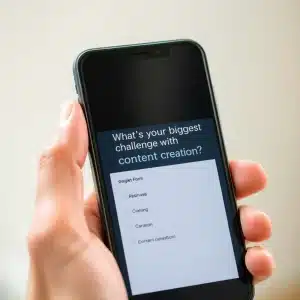
Use polls or questions on social platforms.
Send simple forms to your subscribers asking about their biggest struggles or topics of interest.
Keep questions short and focused.
Ask things like:
What’s your biggest challenge with X?
What would you like more help with?
What’s something you wish someone would explain clearly?
Direct feedback is one of the most efficient audience research methods because it comes straight from the people you want to serve.
5. Audience Research Tip: Study Your Own Data
If you have a blog, social accounts, or email list, don’t sleep on your analytics. Data tells a story about what’s already resonating. And if you want to use AI tools to refine messaging and create audience‑aligned content faster, take a look at these ChatGPT affiliate marketing hacks.
Check:
Which blog posts or videos get the most engagement?
What social posts spark the most conversation?
When do people click through your emails?
Your analytics can show you trends you might miss in qualitative research alone. Then use those insights to shape future content, focus areas, or even product ideas.

Putting It Together: A Simple Audience Research Workflow
You might be wondering how to organize all of this. Here’s a beginner‑friendly workflow you can use:
a Step 1: Start With Search Insight
Do some basic searches in your niche and list out questions and themes you find.
b Step 2: Read Comments + Feedback
Browse a few platforms and write down repeated phrases and frustrations.
c Step 3: Community Listening
Join groups and observe conversations for a few days.
d Step 4: Ask Your Crowd
Send a simple poll or question to your audience.
e Step 5: Match With Data
Look at your analytics to see what’s already working.
Once you do this a few times, audience research becomes less intimidating and more of a creative advantage.
How to Turn Audience Research Into Better Content
After you’ve gathered insights, the next step is using them. This is where your research turns into actionable content strategies.
Here’s how to do that:
Use Their Language:
Echo the exact words your audience uses in your headlines, subheadings, and body text. This boosts relevance and connection.
Answer Their Questions:
If you saw a question repeated 20 times, that’s a perfect blog post or tutorial idea.
Solve Their Frustrations:
Highlight a common pain point in your intro and make your content about that.
Test Headlines Based on Search Queries:
People search for terms like “how to do audience research for beginners.” If that’s repeated, use it verbatim.
By aligning your content with what your audience actually wants, you improve engagement and your chances of ranking for real search queries.
Transforming Audience Research Into Offers and Products
Audience research isn’t just for blog posts, it’s a direct path to creating valuable products and services that people will actually buy.
If your research shows:
People struggle to get engagement,
They don’t know how to price services,
They want step‑by‑step help with starting a list…
Then those become opportunities to craft solutions:
Courses
Templates
Workshops
Coaching
Each idea is grounded in real demand, not guesswork.
How Audience Research Builds Trust and Loyalty
When people feel like you get them, something powerful happens: they stick around. That’s because your content feels relevant, helpful, and human.
Audience research helps you:
Speak in a relatable voice
Address real issues quickly
Provide targeted help
Avoid vague, generic content
Over time, this earns credibility, word‑of‑mouth growth, and deeper engagement, which are core parts of Internet Profit Success.
Common Mistakes to Avoid in Audience Research
Even with the best intentions, beginners sometimes fall into these traps:
Guessing Instead of Asking:
Assuming you know what people want without checking the data or feedback.
Ignoring Language Patterns:
Using fancy or industry jargon when your audience uses simple everyday terms.
Looking at Only One Source:
You’ll get a narrow view if you only check one platform or channel.
Overcomplicating Tools:
You don’t need expensive software, attention and observation go a long way.
Recap: Audience Research Tips You Can Use Today
Let’s quickly review the key audience research methods covered:
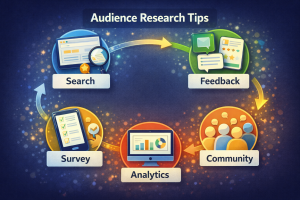
Search Insight: Look at what people are typing and asking online.
Comments + Reviews: Read real feedback to understand pain points.
Community Listening: Join groups and observe discussions.
Surveys and Polls: Ask your audience directly what they need.
Analytics Analysis: Use data from your own platforms to guide decisions.
These tips help you build empathy with your audience and create content and offers that feel personal, relevant, and engaging.
Final Thoughts: Make Audience Research a Habit
Audience research isn’t a one‑off task; it’s an ongoing process that keeps you in tune with your people. The better you understand them, the easier it is to craft content, products, and messaging that connect. For a real‑world example of how refining your strategy and audience focus can grow your reach and results, see how I’m doubling Internet Profit Success in 2026.
And when what you create actually resonates, that’s when you start to see real progress toward things like Internet Profit Success.
So start today. Even small insights from a quick search or one poll can shift your strategy and help you build a stronger following.
You’ve got this. Keep learning, keep listening, and most of all, keep creating content that truly speaks to the people you want to serve. Looking back at lessons from the past year also offers great perspective on what works, check out how I built real Internet Profit Success in the past year for insights you can borrow.
These 5 FREE VIDEOS helped me.
