

How to Build Trust With a Cold Audience (11 Simple Ways)
Here’s How to Win Trust Fast (Beginners)

If you’ve ever wondered how to build trust with a cold audience, the kind of people who have never seen your content, heard your name, or even cared what your favorite pizza topping is, you’re in the right place. In fact, I’d argue that warming up strangers online is one of the most universal challenges for anyone trying to grow a brand, business, or Internet Profit Success story.
However, before we dive into strategies, let’s set the scene. Picture a cold audience as a crowd of total strangers at a party. You walk in, bravely clutching your best jokes, your most insightful thoughts, and, dare I say, your sparkling personality. But here’s the twist: nobody knows who you are, nobody invited you, and most of them are already deeply invested in arguing about whether pineapple belongs on pizza.
Yep, it’s tough terrain. But fear not, this long‑form guide will walk you through 11 solid ways to build trust with a cold audience, with detailed examples, helpful tips, and humor to keep you awake during the journey. Along the way, we’ll also integrate related keyphrases naturally so that search engines, and real readers, recognize the value of what you’re offering.
Because strangers don’t trust strangers by default, following a clear roadmap like our blog post SEO checklist can help you optimize your content for discoverability and warm up audiences faster.
Let’s get started.
What Is a Cold Audience and Why Trust Matters
A cold audience consists of people who have never met you, never heard of you, and likely have zero emotional investment in anything you post. It’s like dropping into a room full of people mid‑conversation and expecting them to stop and listen immediately.
However, that’s not how humans work. Strangers don’t trust strangers by default. They trust people who sound helpful, sound familiar, or, better yet, have something truly valuable to offer.
So when we talk about how to build trust with a cold audience, we’re really talking about establishing credibility, relatability, and a reason for people to care. And yes, you can absolutely do that even if your audience has never seen you before.
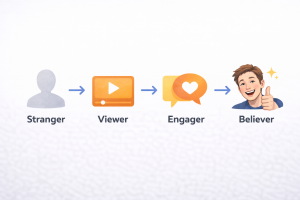
In fact, the better you get at warming up cold audiences, the easier it becomes to convert browsers into followers, followers into engaged subscribers, and subscribers into believers in your Internet Profit Success journey.
The Psychology of Trust (Without the Boring Stuff)
Before we jump into actionable steps, let’s quickly talk psychology, but in a fun way.
Humans are wired to trust:
Familiar faces
Helpful people
People who sound like them
People who keep their word
People who show sincerity
That means trust doesn’t come from grand claims or flashy ads. It comes from consistency, clarity, and delivering real value before ever asking for anything in return.
In other words, if someone in your audience clicks on your video, reads your post, or watches your reel and thinks “Hey, this helped me,” they’re more likely to trust you. And trust is the currency that allows you to move from cold to warm in record time.

1. Provide Simple, Actionable Value First
If you want to know how to build trust with a cold audience, start by giving something genuinely helpful before you pitch anything at all.
Cold audiences don’t respond to flashy sales pitches. What works, like really works, is straightforward, actionable value that anyone can use immediately.
Think of it like offering someone a free slice of pizza before you ask them to go halves on a whole pie. They’re more likely to say yes when they’ve already tasted something good.
For example, before you dive too far into trust strategies, you might explore the Stop the Scroll Every Time With These Scroll Stopping Hooks post to sharpen your opening lines and grab attention instantly
Action Steps:
Share a tip people can implement in minutes, something practical and easy, like a caption formula or quick checklist.
Keep it simple. If someone has to Google what you just said, it missed the mark.
Example:
Post a reel titled “Try this headline formula today” where you immediately show one structure people can copy.
This positions you as a helpful friend, not a stranger with a sales pitch.
2. Share Relatable Stories or Beginner Experiences
People trust people who feel human. That means vulnerability is not a weakness, it’s a trust accelerator.
Cold audiences connect with people who sound relatable, laughable, or real. When you share your stories, especially struggles and early mistakes, people think, “Hey, they’re like me!”
Sharing relatable experiences is powerful, and so is using resources like 12 Content Ideas to Warm Up Your Audience Before Selling and Boost Engagement when you’re stuck on what to post next

Action Steps:
Write out a few moments from your journey when you felt clueless, stuck, or awkward.
Turn them into short posts, reels, or stories with a lesson.
Example:
Maybe you once thought posting 10 times a day would magically get followers. (We’ve all been there.) Share how that flopped and what you learned instead.
Stories build emotional trust fast and remind your audience that you’re human, and trustworthy, before they ever make a purchase.

3. Show Proof of Results, Even If They’re Small
Not everyone has massive success, and that’s okay! Even small wins show that your methods work, especially if they’re replicable.
This is one of the keys to how to build trust with a cold audience in a way that feels authentic and not braggy.
People don’t need to see million‑dollar outcomes. They need to see something real.
Action Steps:
Screenshot early wins like first subscribers, first engagement jump, or first sale.
Turn them into mini case studies with exact steps.
Example:
“Here’s how a tiny tweak improved my landing page conversions in one week.”
Sharing these micro‑wins proves that what you teach actually works, no hype required.
4. Teach Through Mini‑Frameworks
Cold audiences trust creators who simplify complexity. When you break a concept into a 3‑step or 5‑step structure, you’re signaling clarity and expertise.
Frameworks also make it easier for people to remember what you teach, and that makes them more likely to return.
Action Steps:
Pick one common problem your audience faces.
Turn your solution into a simple, repeatable structure.
Example:
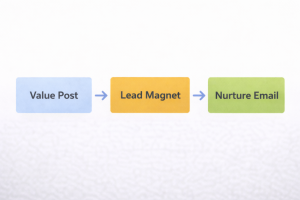
“The 3‑Part Warm‑Up Funnel: Value Post → Lead Magnet → Nurture Email.”
Not only does this make your content clear, it positions you as someone who really understands your niche.
5. Show Behind‑the‑Scenes of Your Process
Transparency builds trust like nothing else.
When people see your process, how you plan, create, and execute, they start to believe you know what you’re doing.
It’s like inviting someone into your kitchen. They see the tools, they see the steps, and suddenly your success feels reachable.

Action Steps:
Share snippets of your content calendar or workflow.
Turn clips of your actual planning process into stories or reels.
Example:
“My 10‑Minute Content Workflow (No Fancy Tools).”
Showing how you actually work fosters trust because it proves you practice what you preach.
6. Collect and Share Social Proof
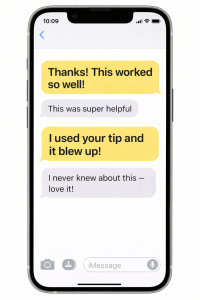
Social proof matters, even if it’s just a comment, a DM, or a small thank‑you note from someone you helped.
Don’t underestimate how powerful these little victories are for building credibility with a cold audience.
Action Steps:
Screenshot positive feedback.
Turn them into graphics or short posts.
Example:
“Someone told me my hook template doubled their engagement.”
These moments show that you’re not just talking, you’re helping.
7. Use Consistent Visual Branding and Tone
While this might sound superficial, consistency signals professionalism and predictability, both of which breed trust.
When your visual brand looks cohesive and familiar, people begin to recognize you across platforms, even before they read your content.
Action Steps:
Choose one color palette and stick with it.
Pick consistent fonts and a style that reflects your personality.
Use the same tone across posts, emails, and videos.
Example:
Your branded templates, fonts, or colors become something people associate with value instead of randomness.
8. Solve One Specific Problem Repeatedly
Trying to be everything to everyone is one of the fastest ways to lose trust (and clarity).
Cold audiences warm up when they know exactly what to expect from you. So pick one core problem and solve it from multiple angles.
Action Steps:
Choose one niche problem you can own for your audience.
Create content around it from different angles.
Example:
If your focus is building email lists, your posts could be:
“3 Reasons Your Opt‑In Isn’t Converting”
“5 Subject Lines That Increase Open Rates”
“The Beginner’s List‑Building Blueprint”
Repetition builds expertise, and expertise builds trust.
9. Offer Free Resources That Prove Your Skill
Free resources are one of the fastest trust builders for cold audiences because they show generosity aligned with competence.
And don’t worry, free doesn’t mean worthless. It means strategic.
One way to prove your skill is to offer high‑value freebies, for example, ideas from Unlock 15 Lead Magnet Ideas That Convert Unbelievably Quickly and Grow Your Email List Fast can give you inspiration for lead magnets that build trust fast.
Action Steps:
Create a checklist, template, or mini‑guide that solves a real problem.
Promote it in your content before you even think about paid ads.
Example:
“Beginner Funnel Checklist.”
This type of resource gives people something valuable to hold onto, and it positions you as someone who gives before asking.
10. Answer Questions Publicly
When you answer questions publicly, in comments, stories, or posts, you show that you’re listening and that you’re capable of helping.
This is hugely impactful for building trust with a cold audience, because it signals approachability and competence at the same time.
Once your cold audience starts engaging, studying posts like How to Create Irresistible Offers That Convert: Proven Strategies to Boost Engagement and Sales can help you take your trust building into conversion without feeling salesy
Action Steps:
Collect questions from your audience, even if it’s just from story replies.
Turn helpful answers into posts or clips.
Example:
“Why is your engagement dropping? Here’s what’s really happening.”
These interactions make your content feel like a conversation instead of a broadcast.
11. Say the Hard Truths Others Are Afraid to Say
Bold honesty can be one of the biggest trust accelerators, as long as you deliver it with clarity and kindness.
Cold audiences are tired of hype, fluff, and empty promises. They want authenticity.
Gaining visibility for your content naturally boosts trust, start with strategies outlined in Unlock the Best Free Traffic Sources for Online Marketing Beginners: 13 Proven Ways to Get Visitors, which shows how to attract visitors who are new to you.
Action Steps:
Identify a common myth or misconception in your niche.
Explain why it’s unhelpful, and what actually works.
Example:
“Posting every day won’t fix a weak message. Here’s what will.”
This kind of content stands out because it respects the intelligence of your audience, and that respect builds trust.
Bonus Tips for Warming Up Cold Audiences
Now that we’ve covered the 11 main strategies for how to build trust with a cold audience, let’s add a few extra tips that turbo‑charge your efforts.
Tip 1: Be Patient, Trust Takes Time
Trust doesn’t happen in a day. However, consistent value adds compound interest. Keep showing up, and people will start paying attention.
Tip 2: Track What Works
Pay attention to what your audience responds to. When you see a format or topic gaining traction, lean into it while staying true to your core message.
Tip 3: Remind People Why You’re Here
Occasionally share your mission or purpose. This ties your content together and gives people a reason to care beyond bite‑sized tips.
Wrapping It All Up
Building trust with a cold audience isn’t rocket science, but it is intentional. It’s about giving more than you ask, listening more than you broadcast, and showing up with honesty and clarity.
From providing simple value first to sharing stories, showing proof, and offering free resources, each step helps strangers warm up to you. Over time, those strangers become followers, fans, subscribers, and, eventually, believers in your Internet Profit Success journey.
And if you’re just starting your journey with content creation overall, exploring How to Start a Blog Without Tech Skills (Even If You’re New to This) can be a great companion resource to keep learning as you build trust and momentum.
Remember: provide value, be consistent, stay real, and trust grows naturally.
You’ve got this.
