
Increase Social Media Engagement With 8 Beginner Boosters
8 Low-Effort Tactics

Introduction
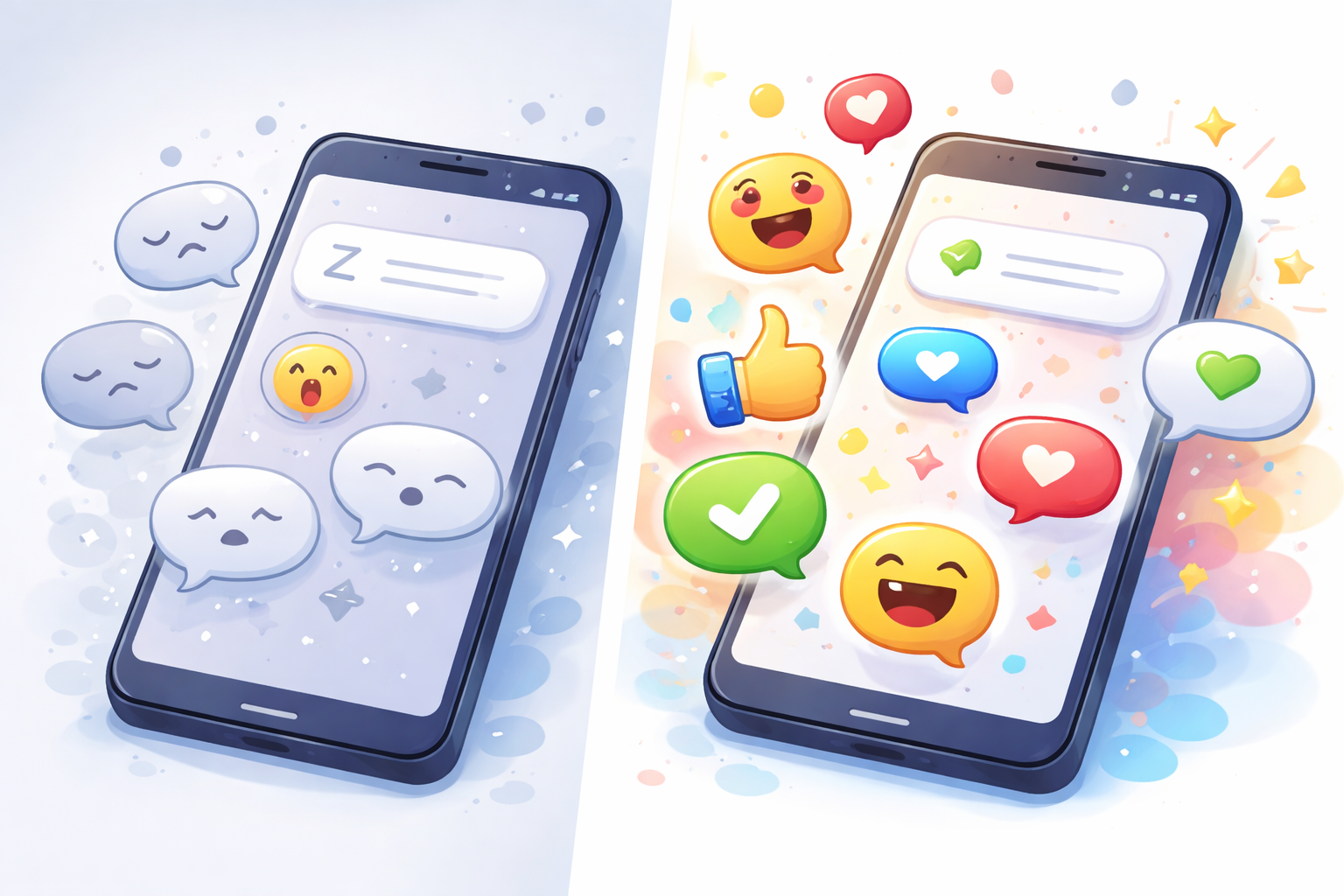
If you’re trying to build an audience and it feels like you’re posting into the void, welcome to the club. The good news is: a quiet audience doesn’t automatically mean a bored audience. More often, it means people are scrolling fast, thinking slow, and waiting for you to make the next move.
In other words, you don’t need a brand-new personality, a viral dance routine, or a dramatic rebrand that involves cutting your bangs at 2 a.m. You need a handful of simple, repeatable habits that increase social media engagement without making you feel like you’re begging strangers for attention.
This post is built for beginners, busy humans, and anyone who wants social media engagement strategies that don’t require complicated funnels, fancy tech, or “just be more charismatic” as a plan. Meanwhile, we’ll keep it light, practical, and slightly sarcastic, because social media already has enough seriousness.
Why Quiet Audiences Happen
Before we fix the silence, it helps to understand it. People don’t always interact even when they enjoy your content. Sometimes they’re at work pretending to look at spreadsheets. Sometimes they’re on the couch with one eye on their phone and the other eye on a snack they absolutely should not be eating that late.
In addition, a lot of followers are “silent supporters.” They read, they watch, they save, and they keep scrolling. They might even think, “This is helpful,” and then do nothing about it because tapping a button feels like a big commitment in the year of our collective low attention span.
On the other hand, silence can also be a sign that your posts are unclear. If someone doesn’t know what you want them to do next, they will do the default action: nothing. That’s why the goal is to guide, not guess. You’re not trying to pressure people. You’re simply making it obvious and easy to participate.
If you’re still building credibility with people who don’t know you yet, this guide on how to build trust with a cold audience will help you warm them up without getting awkward about it.

A Quick “Is It Me?” Content Check
Now, don’t panic, but a quick content audit can save you weeks of frustration. Take your last ten posts and look for a few patterns. First, did you ask for any kind of response, or did you just deliver information like a polite robot? Next, did your posts have a clear point, or did they wander like a grocery cart with one wobbly wheel?
Also, check the effort level required to respond. If your post ends with something like, “What are your thoughts on the psychological impact of long-term habit formation?” people may quietly respect you while refusing to type a novel in public.
Finally, pay attention to your opening lines. If your first sentence is slow, vague, or sounds like a textbook, you’ll lose people before they ever reach your question. A better hook doesn’t need to be dramatic. It just needs to be specific, relatable, and clear about what’s in it for them.
And if your first line is accidentally acting like a sleeping pill, steal a few patterns from headline formulas that grab attention and boost clicks so more people actually stick around.
The 10-Second Rule That Changes Everything
Here’s a simple rule that increases social media engagement almost immediately: make it possible to respond in ten seconds or less. If someone needs to think hard, write a long reply, or expose their deepest secrets to the internet, most people won’t bother.
However, if you invite a quick answer, a vote, or a simple reaction, you’ll notice more movement. In addition, once people engage once, it becomes easier for them to engage again later. You’re basically warming up the crowd instead of asking them to sprint without stretching.
Meanwhile, keep in mind that engagement often happens in layers. Someone might start by tapping a poll, then later reply to a question, then eventually send a message. So the goal is not to force “big engagement.” The goal is to create small, easy wins that stack.
Booster 1: Ask Simple, Low-Effort Questions

If you want the fastest improvement, start with social media engagement questions. They work because they’re easy, and people love sharing opinions, even if they pretend they don’t. The key is keeping the question simple enough that someone can answer while standing in line for coffee.
For example, instead of asking, “What’s your biggest challenge with consistency?” try, “Which one is harder for you: starting or staying consistent?” That gives people a clear choice and makes replying feel safe.
In addition, “this or that” questions are ridiculously effective. Try: “Morning routine or night routine?” or “Plan everything or wing it?” Even better, tie it to your niche: “Do you prefer templates or starting from scratch?” The more specific you get, the more relevant the responses become.
Also, use the “finish the sentence” trick. Say, “Right now I’m trying to get better at ______.” People can fill in one word and keep it moving. Meanwhile, you get valuable info about what your audience actually cares about, which makes future content easier.
Examples That Don’t Feel Cringe
Let’s make this practical. If your audience is beginners, you can ask questions that lower the pressure and invite honesty. Try something like, “What’s the one thing you’re working on this week?” or “What’s one task you keep procrastinating on?” Those questions feel human, not salesy or performative.
On the other hand, avoid questions that sound like an interrogation. “Why aren’t you posting consistently?” might be true, but it feels like a parent asking why the dishes aren’t done. A softer version works better: “Be honest, what usually gets in the way of posting?”
Another strong move is asking for micro-advice. For example: “What’s one small habit that helped you stay on track?” People love sharing wins because it makes them feel helpful.
Meanwhile, you can later turn those replies into a follow-up post, which keeps the conversation going.

Booster 2: Tell Relatable Stories That Invite Reactions
Stories increase social media engagement because they create emotion, and emotion leads to action. You don’t need a dramatic life event. You need a real moment that your audience recognizes.
For example, you can share a quick story about posting consistently for weeks and hearing nothing but crickets. Then you explain what changed, even if the change was small, like asking better questions or making your posts easier to skim.
Meanwhile, keep stories short and focused. A simple structure helps: what happened, what you felt, what you learned, and what you want to know from them. That final question matters because it turns a story into a conversation.
In addition, use “I thought X, but it was actually Y” moments. Those are instantly relatable. Try something like, “I thought my audience was ignoring me, but really I wasn’t giving them anything easy to respond to.” Then ask, “Have you ever felt that too?” That question feels safe to answer, and it invites people to say, “Yep, same.”
The “Tiny Vulnerability” Sweet Spot
There’s a sweet spot between “perfect and polished” and “oversharing at full volume.” Aim for tiny vulnerability. Share something real, but keep it helpful and relevant.
For instance, you can admit you used to overthink every post, or you used to write captions like a corporate memo. Then you share what you do now, like using a simple hook and ending with one clear question.
Also, don’t underestimate humor. A quick line like, “I posted and got three likes, one from my mom, and one from a mysterious account selling sunglasses,” makes people smile. Meanwhile, it signals you’re human, which makes engagement easier.
In addition, invite simple reactions. You can ask, “Have you been there?” or “Does this sound familiar?” People are more likely to respond to a feeling than to a complicated strategy.

Booster 3: Use Contrast Content People Can Instantly Understand
Contrast content is one of the most underrated social media engagement strategies for beginners because it’s clear, educational, and easy to save. It shows a “before and after” or “wrong versus right” approach, which helps people learn quickly.
For example, you can compare a confusing call-to-action with a clear one. Or you can show the difference between a messy content plan and a simple weekly routine. The point is to make the improvement obvious.
Meanwhile, contrast content sparks replies because people like choosing sides. When you show two options, people naturally want to say which one they’ve been doing. In addition, it invites “aha” moments, which often lead to shares and saves.
Also, keep the contrast focused. Don’t compare seven things at once. Pick one mistake, then show one fix. That’s how you keep it beginner-friendly and easy to digest.
Easy Contrast Post Prompts
If you need ideas, start with common beginner struggles. Compare “posting whenever I feel inspired” versus “posting on a simple schedule.” Or compare “trying to sound like an expert” versus “explaining it like you’re texting a friend.” And if you’re staring at your caption thinking, ‘What do I even ask them to do?’ grab a few lines from CTA templates that boost click-throughs and make the next step painfully obvious.
Another example is “generic hook” versus “specific hook.” A generic hook is something like, “Here are some tips to help you.” A specific hook sounds like, “If your posts get views but no replies, try this.” People can instantly see themselves in the second one.
In addition, contrast content works great for “myth versus reality.” You can say, “Myth: You need a huge audience to increase social media engagement. Reality: You need clearer prompts and more conversation starters.” Then you ask, “Which one did you believe before today?”
Booster 4: Polls and Single-Tap Interactions
Polls are basically engagement on easy mode. They increase social media engagement because they require almost no effort. No typing, no thinking, no pressure. Just tap and move on.
However, the poll question matters. If it’s too generic, people skip it. Instead, make it specific to a struggle your audience actually has. For example: “Which is harder right now: consistency, content ideas, or confidence?” That gives people a quick way to participate.
Meanwhile, you can run “vote with a number” prompts, even if you don’t have a poll feature. Say, “Pick one: 1, 2, or 3,” and ask them to reply with a single number. In addition, emoji voting works well too. People love pressing one tiny button like it’s a meaningful life decision.
Also, follow up after the poll. Share the results and ask a second question like, “Interesting that most people picked consistency. What’s the main thing that gets in the way?” That’s how a one-tap interaction turns into a real conversation.
Turn Poll Results Into Content Fuel
Here’s the sneaky benefit of polls: they tell you exactly what to post next. If most people vote that they struggle with content ideas, you now have a clear topic for a value post. If the poll says confidence is the issue, you can share a relatable story about feeling awkward posting at first.
In addition, you can use polls as a warm-up before asking for a bigger response. For example, Day 1 you run a poll about what people struggle with. Day 2 you share a quick tip about the top result and end with a simple question. Day 3 you tell a story about overcoming that struggle and ask for experiences.
Meanwhile, your audience starts engaging in layers, which is the entire goal. They go from silent to tapping, then tapping to replying, and eventually replying to connecting.
Booster 5: Value Posts With Clear Action Steps
If your content is helpful, people are more likely to interact. That’s not rocket science. Still, a lot of beginners accidentally create “value posts” that feel like motivational wallpaper. Nice vibes, zero action.
To increase social media engagement, a value post needs one clear problem, one clear explanation, and one clear next step. For example, you can say, “If you’re not getting replies, it might be because your posts don’t invite a response. For the next week, end every post with a ten-second question.”
n addition, keep the advice easy to apply today, not someday when they become a magical organized person. People engage more when they can try something quickly and come back with results.
Also, ask for feedback at the end. Say, “Want me to drop ten example questions you can steal?” or “Which topic do you want a simple template for?” Those prompts make engagement feel useful, not performative.
The “One Problem, One Fix” Formula
Here’s a beginner-friendly formula you can reuse forever. Start by naming one problem in plain language. Next, explain why it happens in a sentence or two. Then share one fix that takes under ten minutes. Finally, end with a question that invites a quick reply.
For instance: “If your posts get likes but no replies, your question might be too hard. Try ending with a choice question today. Which do you prefer: short tips or step-by-step posts?” That’s simple, helpful, and interactive.
Meanwhile, you can build a series around this. Each day you address a different small problem. Consistency, content ideas, fear of being judged, unclear hooks, and so on. In addition, repeating the structure trains your audience to know what to expect, which makes them more likely to respond.
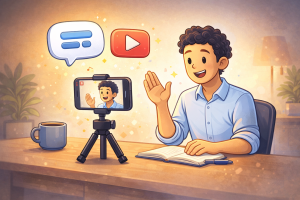
Booster 6: Short Videos and Lives With a Direct Question
Video builds connection fast because people can hear your tone, see your face, and feel like they know you. Even if you’re not a “video person,” you can still use simple videos to increase social media engagement. Also, if showing your face on camera makes you suddenly remember you need to reorganize your sock drawer, these faceless Reels ideas that build authority fast let you do video without the ‘hello darkness my old friend’ vibes
Start small. Record a short video sharing one tip, then end with a direct question. For example: “One quick way to get more replies is to ask a ten-second question at the end. What’s one topic you want help with this week?” That’s it. No fancy edits required.
Meanwhile, going live can work surprisingly well because it creates real-time interaction. If live feels scary, label it as beginner-friendly. Say, “Quick live: ask me anything about getting started.” Keep it short, answer a few questions, then end while it still feels fun.
In addition, video posts often do better when they have a clear opening. Lead with the problem: “If your followers are quiet lately, try this.” Then deliver the tip. Then ask the question. Simple, repeatable, effective.
Easy Video Scripts You Can Reuse
If you want a plug-and-play script, try this pattern: “Today I’m sharing one simple way to increase social media engagement. Here it is. Now I’m curious, which part is hardest for you?” It’s straightforward and it gets to the point.
Another script is the “mistake and fix.” Say, “I used to do this wrong. Here’s what I do now.” Then you ask, “Have you tried either of these?” People respond because it feels like a real conversation, not a lecture.
Also, don’t forget the caption. Some people watch without sound, and some people read instead of watching. Put the question in the caption too, so it’s impossible to miss. Meanwhile, you’ll catch both types of followers: the watchers and the readers.

Booster 7: Personalized Messages to Warm Followers
Sometimes your audience is quiet because they forget there’s a real human behind the account. A thoughtful message can re-open the door without being weird about it.
The key is to keep it friendly, personal, and permission-based. For example: “Hey, I noticed you’ve been around for a bit. Quick question, what are you working on right now?” That’s simple and it invites a reply.
However, avoid sending the same copy-and-paste message to fifty people. That’s a fast track to “spammy vibes,” and nobody wants that. To keep it human (and avoid sounding like a bot who just discovered emojis), use conversation scripts for new marketers that actually work as your starting point. Instead, message five to ten warm followers. Mention something specific if you can, like a post they liked or a topic they seem interested in.
In addition, don’t jump into pitching anything. The goal is connection, not pressure. Ironically, connection is what often leads to better engagement anyway, because people feel seen.
Message Templates That Feel Human
Try keeping your messages short. A good rule is two sentences plus one question. For example: “Hey! Appreciate you being here. What’s one thing you’re trying to improve right now?” That’s easy to answer and doesn’t require a life story.
Another option is offering help without making it a big deal. Say, “Quick check-in: is there a topic you want a simple breakdown on this week?” People love feeling like the content will be tailored for them.
Meanwhile, when someone replies, you can ask one follow-up question. That creates a real conversation. In addition, those conversations often turn into public engagement later because they feel more connected to you and your posts.

Booster 8: Behind-the-Scenes and Reality Check Posts
Behind-the-scenes content increases social media engagement because it feels real. People are tired of perfectly curated highlight reels. They want the messy middle, the process, and the “here’s what I’m working on” moments.
For example, you can share a quick snapshot of your planning process. Or you can talk about a challenge you’re navigating, like staying consistent while life does life things. Then end with a reflective question: “What are you working on behind the scenes right now?”
Meanwhile, reality check posts work well because they break the pattern. If your feed has been all tips and tutorials, a behind-the-scenes post feels refreshing. In addition, it invites empathy and connection, which often brings out replies from quiet followers.
Also, keep it simple. You don’t need to reveal everything. Share just enough to be relatable, then invite your audience to share too.
Authentic Without the Overshare Hangover
A good way to stay in the safe zone is to focus on lessons learned. Talk about what you tried, what worked, what didn’t, and what you’re doing next. That keeps it helpful while still being human.
For example: “I tried posting every day and burned out by Wednesday. Now I’m doing three solid posts a week with better questions at the end.” Then ask, “Do you prefer daily posting or a simpler schedule?” That’s both relatable and interactive.
Meanwhile, you can also share mini wins. People love progress updates. Say, “I finally found a posting routine that doesn’t make me want to scream into a pillow.” Then ask, “What’s one routine you’re trying to build?” Humor helps, and so does honesty.
The 7-Day Wake-Up Plan for Quiet Followers
If you want a simple plan, here’s one you can follow this week. Day one, post a low-effort question that takes ten seconds to answer. Day two, share a short story and end with a “have you felt this?” question. Day three, run a poll or emoji vote about a common struggle.
Next, on day four, publish contrast content that shows a common mistake versus a simple fix. Day five, share a value post with one clear action step and invite people to choose the next topic. Day six, post a short video tip and ask a direct question at the end.
Finally, on day seven, share a behind-the-scenes update and ask what others are working on. Meanwhile, sprinkle in a few personalized messages to warm followers during the week.
This plan works because it mixes different engagement styles. Some people love voting. Others love storytelling. Some will reply to a question but won’t touch a poll. In addition, repeating the rhythm trains your audience to participate.
If Facebook is your main playground, these 7 Facebook growth strategies that explode your following fast pair perfectly with the 7-day rhythm above.
How to Know If It’s Working
Engagement isn’t just replies. It’s also saves, shares, watch time, and messages. If you’re only counting public replies, you might miss the quiet signals that your content is landing.
For example, if saves go up, that often means your content is useful. If shares increase, your content is relatable or helpful enough that people want others to see it. If video watch time improves, your hooks and delivery are getting stronger.
Meanwhile, don’t obsess over one post. Look for trends across two to four weeks. In addition, track what type of posts create the most interaction. Do your followers respond more to social media engagement questions or to stories? Do they vote more than they type? That insight makes your strategy easier.
Also, pay attention to who engages. If the same five people always reply, that’s still progress, but it also signals you might need more low-effort prompts to bring in the quiet crowd.
“If you want to track what’s improving without drowning in numbers, this breakdown of marketing metrics for beginners makes it simple to spot what’s moving.
Common Mistakes That Keep Followers Quiet
One common mistake is asking vague questions. “Thoughts?” is not a question. It’s a shrug wearing a trench coat. A better approach is a clear choice question or a specific prompt that’s easy to answer.
Another mistake is stacking too many requests. If your post says, “Like, share, reply, save, tag a friend, and also write your life story below,” people will do the only reasonable thing: scroll away.
Meanwhile, inconsistency can lower engagement too. If you post once, disappear for two weeks, then return with big energy, your audience may need a moment to warm up again. On the other hand, you don’t need to post every day. You just need a rhythm your audience can count on.
And if consistency is the part that keeps tripping you up, these tips on how to create content faster will help you show up more often without living on your laptop
Also, don’t vanish after posting. If you ask a question and then ignore replies for eight hours, people learn that responding isn’t worth it. A simple fix is setting aside ten minutes after posting to reply and keep the thread moving.
Make Your Content Easier to Read and Respond To
Readability is an engagement booster all by itself. Long blocks of text can scare people, even if your message is good. Keep paragraphs shorter, break ideas into clear chunks, and get to the point faster.
In addition, use specific language. Instead of “create better content,” say “end every post with a ten-second question.” Instead of “post consistently,” say “post three times a week for the next month.” Specific equals actionable, and actionable content gets more interaction.
Meanwhile, make your call-to-action obvious. If you want replies, ask a question. If you want votes, offer options. If you want saves, deliver a simple checklist in text form. You’re basically guiding the behavior you want.
Also, remember that clarity beats cleverness. A clever post that confuses people will get fewer replies than a clear post that feels basic. Basic is fine. Basic works. Basic pays the bills, and it also helps with Internet Profit Success when your content consistently connects with real humans.
Build a Simple Series People Can Follow
One of the easiest ways to increase social media engagement long-term is to create recurring content. People engage more when they know what to expect. It’s like a TV show, except you don’t need a Netflix budget.
For example, you can do “Myth-Bust Monday,” where you bust one beginner misconception and ask a quick question. You can do “Quick Win Wednesday,” where you share one actionable tip and invite people to try it. You can do “Reality Check Friday,” where you share a behind-the-scenes lesson.
Meanwhile, recurring formats reduce your content planning stress. In addition, they train your audience to show up. Over time, those habits can turn quiet followers into regular participants because the content feels familiar and easy to join.
Also, series posts make it easier for people to respond. If they’ve replied once, they’re more likely to reply again. That’s how community gets built: small interactions that repeat.
When to Post Without Losing Your Mind
Timing can help, but it’s not magic. The best posting time is often when your audience is actually awake and scrolling, which sounds obvious until you realize half the internet is nocturnal.
However, instead of chasing the perfect time, aim for consistent time windows. Post around the same general time for a couple of weeks and see what happens. Meanwhile, if you notice more replies in the morning or more saves in the evening, adjust.
In addition, match your post type to the moment. Quick questions can work well when people are casually scrolling. Longer value posts might do better when people have more time to read. On the other hand, short videos can perform across different times because they’re easy to consume.
Also, don’t let timing become procrastination in disguise. If you find yourself saying, “I’ll post when the planets align and Mercury stops doing backflips,” you might be overthinking. Post the thing. Improve as you go.

Put It All Together Without Burning Out
The fastest way to increase social media engagement is not doing everything at once. It’s picking two or three boosters and running them consistently. For example, you can combine simple questions, contrast content, and short videos. That mix covers quick interactions, saves, and connection.
Meanwhile, treat engagement like a skill, not a personality trait. You don’t have to be the loudest person online. You just need to be clear, consistent, and genuinely interested in your audience.
In addition, keep a running list of social media engagement questions you can rotate. Store story ideas as they happen. When you notice a mistake you made, turn it into a lesson. When someone asks you something in a message, turn it into a post. Content is everywhere if you start paying attention.
Finally, remember this: a quiet audience can wake up fast when you give them the right prompts. Ask easier questions, tell more relatable stories, create clearer contrasts, use polls, share simple action steps, show up on video, connect one-on-one, and post behind the scenes. Try two or three this week, and you’ll likely see more replies, more saves, and more actual humans interacting with you again.
