

Content Repurposing for SEO: 8 Proven Ways to Multiply Reach
Top Content Repurposing Strategies to Rank, Engage & Convert

Why Smart Creators Stop Reinventing the Wheel
If creating content sometimes feels like trying to cook a gourmet meal from scratch every single day, you’re not alone. Most creators, bloggers, and business owners hit a wall where ideas run dry, motivation dips, and the pressure to “post something new” starts to feel heavy. Fortunately, content repurposing for SEO exists for a reason, and it’s one of the smartest ways to work less while showing up more.
Rather than constantly chasing fresh ideas, content repurposing allows you to stretch your best work further, you can even improve performance by first planning structure with a proven blog post SEO checklist. Instead of publishing once and moving on, you reuse, reshape, and redistribute what already works. In other words, you squeeze more juice out of every orange. As a result, your reach expands, your workload shrinks, and your message becomes more memorable through repetition.
Meanwhile, from an SEO perspective, repurposing content helps reinforce topical authority. Search engines tend to reward consistency, depth, and relevance, and repurposing supports all three. When you break a core idea into multiple formats, you naturally create more entry points for people to discover your content.
The Shift From Creation to Amplification
At some point, creators realize that success online isn’t just about making content. Instead, it’s about amplifying the content that already resonates. Content repurposing for SEO is the bridge between those two phases.
In the early days, most people focus on publishing. They write blogs, record videos, or host webinars, then move on to the next idea. However, that approach often leads to burnout. On the other hand, creators who embrace repurposing learn to slow down and maximize each asset.
For example, one well-researched blog post can fuel weeks of content. A single podcast episode can turn into quotes, short videos, emails, and social posts. Over time, this approach compounds visibility without multiplying effort.
In addition, repurposing improves clarity. Each time you explain an idea in a new format, you refine your message. What starts as a long explanation becomes sharper, simpler, and easier to understand. That clarity plays a big role in audience trust and long-term Internet Profit Success.
For expanded tactics, see the 9 clever content repurposing strategies that show multiple examples on stretching one topic across formats.
Content Repurposing for SEO Starts With Long-Form Cornerstone Content
Before repurposing even begins, you need something worth repurposing. This is where long-form content shines. Whether it’s a blog post, webinar, guide, or podcast episode, long-form assets act as content hubs.
Because long-form content dives deep, it naturally contains multiple subtopics. Each subtopic can later become its own standalone piece. For that reason, creating one strong core asset often delivers more long-term value than publishing five shallow posts.
For instance, a detailed guide on productivity could include mindset tips, tools, routines, and common mistakes. Later on, each of those sections can stand alone as micro content. In addition, long-form content tends to perform well in search results when optimized properly.
Once you have that foundation, content repurposing for SEO becomes much easier. You’re no longer scrambling for ideas. Instead, you’re simply reorganizing what already exists.
Trick One: Turning Long Content Into Micro Posts
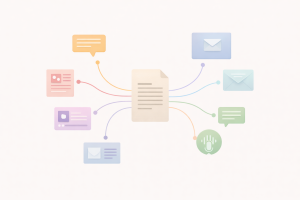
One of the simplest ways to repurpose content is by breaking it into smaller pieces. Long articles, webinars, or podcasts usually contain multiple insights, and each insight can become a micro post. This plays out over time just like in the post about How I built real Internet Profit Success in the past year, where consistency and strategy trump random posting.
To begin, scan your long-form content and highlight distinct ideas. These might be tips, lessons, steps, or examples. After that, isolate each idea and rewrite it as a short post with one clear takeaway.
For example, a 2,000-word blog post could easily turn into ten short posts. Each post might focus on one idea, explain it briefly, and then invite readers to explore more. Over time, these micro posts create multiple touchpoints with your audience.
Meanwhile, from an SEO standpoint, micro content supports brand signals and topical relevance. Even though the posts themselves may not rank, they funnel attention back to your main asset.
In addition, micro posts help reach people who prefer bite-sized content. Not everyone wants to read a long article, but many will happily consume short, focused insights.
Trick Two: Creating Carousels and Slide-Based Content
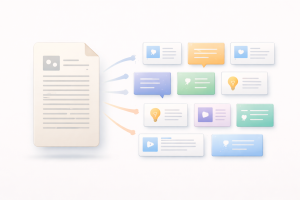
Visual formats are powerful because they are easy to scan. Carousels, slides, and document-style posts allow you to turn written content into visual storytelling.
To start, identify key steps or ideas from your content. Then, assign one idea per slide. Keep each slide focused and simple, using minimal text and clear structure.
For example, a how-to article with seven steps can become a seven-slide carousel. Each slide introduces one step, while the caption provides context or explanation. This format works well because it encourages people to swipe, save, and revisit.
At the same time, slide-based content reinforces your main keyword theme when done consistently. Over time, repeated exposure strengthens recognition, which indirectly supports SEO.
Additionally, visual repurposing gives your content a second life on platforms where text-heavy posts might struggle. As a result, you reach new audiences without creating something entirely new.

Trick Three: Extracting Quotes and Key Statements
Not every repurposed piece needs to be long or complex. Sometimes, a single sentence is enough. Quotes, stats, and punchy statements can be repurposed into standalone content.
First, look for moments in your content where ideas are clearly summarized. These moments often stand out because they feel memorable or insightful. Once identified, rewrite them slightly if needed to make them more shareable.
For instance, a strong sentence from a blog post could be turned into multiple short posts over time. Each version might highlight a different angle or context, even though the core idea remains the same. Use proven headline formulas that grab attention and boost clicks to craft repurposed piece titles that actually perform.
Meanwhile, quotes reinforce authority. When people repeatedly see clear, confident statements tied to your topic, they begin associating you with that subject. Over time, this perception plays into Internet Profit Success by building trust and familiarity.
Trick Four: Repurposing Written Content Into Audio
Audio content opens the door to an entirely different audience. Many people prefer listening while driving, exercising, or multitasking. Fortunately, written content adapts well to audio.
One approach is to record summaries of your articles. Rather than reading word-for-word, focus on explaining the main points conversationally. This keeps the audio engaging and easier to consume.
Alternatively, you can extract audio clips from videos or longer recordings. Short clips highlighting one idea work well because they respect limited attention spans.
From an SEO perspective, audio repurposing supports omnipresence. While audio itself may not directly boost rankings, it strengthens brand signals across platforms.
In addition, hearing your voice helps humanize your message. When people feel a personal connection, they’re more likely to seek out your content again.

Trick Five: Turning Core Ideas Into Short Videos
Short-form video continues to dominate attention. If you’re creating video content from written pieces, consider faceless reels ideas that build authority fast, perfect for short repurposed clips.However, creating videos from scratch can feel intimidating. Content repurposing for SEO solves that problem by giving you scripts in advance.
Start by identifying key points from your content. Each point can become a short video explaining one idea. Keep videos focused and concise, ideally under one minute.
For example, a blog post about common mistakes could turn into a series of videos, each addressing one mistake. This format works well because it creates anticipation for the next piece.
Meanwhile, adding captions improves accessibility and engagement. Many people watch videos without sound, so captions ensure your message still lands.
Over time, consistent video repurposing expands reach and reinforces your core topics. Although video platforms differ from search engines, the cumulative exposure supports long-term growth.
Trick Six: Building Email Sequences From Existing Content
Email remains one of the most reliable ways to stay connected with an audience. Fortunately, long-form content adapts beautifully into email sequences.
To begin, break your content into logical sections. Each section can become one email focused on a single idea. Include a short explanation and an actionable takeaway to keep readers engaged.
For example, a comprehensive guide could become a five-part email series. Each email builds on the previous one, guiding readers through the topic step by step.
In addition, email repurposing encourages repeated engagement with your content. Readers are reminded of your ideas over time, rather than consuming everything at once and forgetting it.
From a business standpoint, this ongoing engagement supports Internet Profit Success by nurturing relationships without constant creation.

Trick Seven: Updating and Republishing Evergreen Content
Not all repurposing involves creating something new. Sometimes, the best move is refreshing what already exists.
Evergreen content often loses visibility simply because it becomes outdated. That’s why understanding evergreen content types that build trust and last for SEO is key when you repurpose older pieces. However, a few updates can bring it back to life. Adding new examples, refining explanations, or improving structure can make a big difference.
After updating, republishing signals freshness. As a result, both readers and algorithms treat the content as relevant again.
In addition, updating content reinforces your authority. It shows that you’re actively maintaining and improving your ideas rather than abandoning them.
For beginners, reviewing marketing metrics for beginners: 7 you must track today gives clarity on what to measure for repurposed content success.

Trick Eight: Packaging Content Into Downloadable Resources
Another powerful repurposing strategy involves combining multiple pieces into one cohesive resource. When related content is packaged together, its perceived value increases.
For instance, several blog posts on the same topic can become a compact guide. Similarly, a series of tutorials can be combined into a mini handbook.
This approach works because people appreciate organization. Instead of hunting for information, they receive everything in one place.
Meanwhile, packaging content supports long-term visibility and positioning. It frames you as someone who provides structured, thoughtful guidance rather than scattered tips.

How Content Repurposing for SEO Supports Consistent Growth
Consistency matters more than frequency. Content repurposing for SEO makes consistency achievable by reducing the pressure to constantly create.
When you repurpose, you show up regularly without burning out. Over time, this steady presence builds familiarity and trust.
In addition, repetition reinforces learning. When people encounter the same ideas in different formats, they understand them better. This deeper understanding strengthens your influence and credibility.
From a practical standpoint, repurposing also improves efficiency. Instead of juggling dozens of ideas, you focus on a few core themes and expand them thoughtfully.
Using CTA templates that boost click-throughs every beginner needs ensures your repurposed pieces keep people engaged and clicking.
Content Repurposing for SEO and Avoiding Common Mistakes
While repurposing is powerful, it’s not about copy-pasting. Each format requires thoughtful adaptation.
For example, a blog post section may need simplification before becoming a social post. Similarly, a long explanation may need trimming before turning into a video.
Another mistake is repurposing without strategy. Randomly resharing content without a clear goal can feel repetitive rather than reinforcing.
Instead, aim for intentional repetition. Each repurposed piece should serve a purpose, whether it’s education, engagement, or clarification.
Finally, avoid overwhelming your audience by posting everything at once. Spacing content out improves impact and prevents fatigue.
If workflow feels overwhelming, simplify with insights from simplify marketing for beginners: 14 tips that get faster results.
Why Content Repurposing for SEO Is a Long-Term Play
Content repurposing isn’t about quick wins. It’s about building momentum over time.
Each repurposed piece adds another layer to your online presence. Gradually, these layers compound, leading to stronger visibility and recognition.
Meanwhile, focusing on a few core ideas ensures alignment. Rather than chasing trends, you deepen your expertise in specific areas.
This approach aligns well with sustainable Internet Profit Success because it prioritizes clarity, consistency, and efficiency.

Final Thoughts on Content Repurposing for SEO
At its core, content repurposing for SEO is about respect. It respects your time, your energy, and your ideas.
Instead of discarding content after one use, you give it room to grow. Each piece becomes part of a larger ecosystem rather than a one-off effort.
By breaking long content into micro posts, visuals, audio, video, emails, updates, and packages, you reach people where they already are. At the same time, you reinforce your message without reinventing the wheel.
Ultimately, repurposing allows you to work smarter, not harder. Start with one strong piece of content, choose two repurposing methods, and build from there. Over time, the results stack up quietly, steadily, and sustainably.
