

Prepare Before Running Ads: 5 Steps to Better Results
5 Key Steps to Prepare

If you’ve ever wondered why your ads cost more than they should or don’t bring in the kind of results you hoped for, you’re not alone. Many new marketers jump straight into paid traffic without taking the necessary steps to prepare before running ads, only to watch their budgets disappear like ice cream in July. However, it doesn’t have to be that way.
With the right preparation, ads become much more predictable, smarter, and even enjoyable to manage.
This is your complete, long‑form guide to prepare before running ads, with detailed explanations, examples, real actionable tips, and a light‑hearted tone that keeps things understandable and fun.
In this post, we’ll unpack a repeatable system that will guide you through everything you need to prepare before running ads, from refining your message and defining your audience to setting up tracking that tells you what’s working. Along the way, we’ll sprinkle in transitional tips, helpful scenarios, and even a mention of Internet Profit Success to keep things grounded in real outcomes.
By the time you finish reading this, you’ll understand why preparation is essential and how it directly impacts your ability to scale with less stress and more confidence. So let’s dive right into how to prepare before running ads with clarity, strategy, and a bit of humor.
Why You Really Need to Prepare Before Running Ads
Ads are powerful. They can scale your results faster than most organic strategies alone. However, the age‑old marketing truth remains: “Ads don’t fix what’s broken.” If your messaging isn’t clear, your funnel is confusing, or your offer doesn’t resonate, throwing money at ads will only accelerate problems.
Imagine building a house with no blueprint. Would you pour the foundation before knowing where the kitchen is? Of course not! That’s exactly what running ads without preparation feels like. So, before we get into the nuts and bolts of how to prepare before running ads, let’s break down why this step matters so much:
Ads amplify what already exists. If your offer is weak or your message unclear, ads will push confusion faster.
Preparation saves money. Poorly targeted ads waste spend; prepared ads stretch each dollar further.
It builds confidence. When you know your funnel works and your audience resonates with your message, buying traffic feels less scary.
Better data sooner. Prepared tracking gives you actionable insights quickly, reducing guesswork.
Now that we’ve got the “why” out of the way, let’s look at actionable steps to prepare before running ads.
Step 1, Clarify Who You Serve and What You Solve
This is the foundation of everything. If you don’t know who your audience is and what problem you solve for them, your ads will be like shooting arrows in the dark.
The idea here isn’t just to write fluffy customer descriptions like “small business owners” or “aspiring creators.” Instead, you want to get specific and practical.
Ask yourself:
Who exactly gets the most value from what I sell?
What keeps them up at night?
What would make their life significantly easier?
For example, rather than saying “I help entrepreneurs,” try something like: “I help new online course creators struggling to get their first 100 email subscribers.” That’s specific, clear, and helps you shape every part of your funnel and ad targeting.
To take your audience clarity even further, check out these powerful audience research tips that help you understand exactly who your ideal customer is and where to find them.
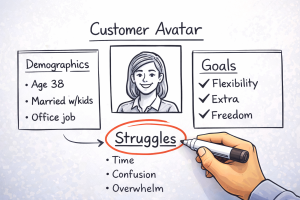
Action Steps to Clarify Audience and Problem:
• Write a clear description of your ideal customer: their industry, pain points, goals, and where they “hang out” online.
• Turn that into a positioning sentence that you can use in ad copy, landing pages, and organic content.
Here’s a positioning sentence you can use as a template:
I help specific audience solve specific problem so they can desired outcome.
For example:
I help aspiring fitness coaches launch their first 30‑day challenge so they can book paying clients consistently.
This clarity not only helps with messaging but will also make targeting for your ads much simpler and cheaper in the long run.
Step 2, Build a Simple, High‑Value Lead Magnet
Once you know who you serve, the next step to prepare before running ads is giving them something valuable in exchange for their contact info, typically an email address. This is where a lead magnet comes in.
Think of your lead magnet as the front door of your funnel. If it’s helpful and solves a real problem, people will gladly trade their email. If it’s vague or low value, your conversion rates will suffer.
If you need inspiration for your next offer, explore 15 lead magnet ideas that convert like crazy, so you create something your target audience actually wants.
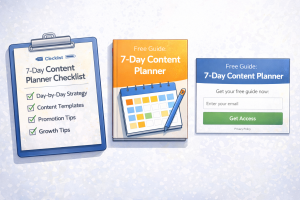
What Makes a Good Lead Magnet?
A good lead magnet is:
Simple to consume (checklist, template, cheat sheet, short guide)
Solves an immediate, specific problem your audience cares about
Directly related to the main offer you plan to sell later
For example, if your paid product is a course on social media content planning, a good lead magnet might be:
“7 Day Content Planner Template for Busy Creators.”
This solves an immediate problem (content planning) and naturally leads into your bigger teaching product.
Action Steps for Your Lead Magnet:
• Choose a practical resource that solves one clear problem.
• Write a compelling landing page that explains the benefit in plain language.
• Set up a welcome email that delivers the lead magnet immediately.
A clean setup helps ensure that when someone signs up, they get instant value, which builds trust and increases the chances they’ll stick around long enough to buy something later.
Step 3, Test Your Message Organically First
Before you invest money into promote your messaging, it’s smart to test it organically. Think of this as free “pre‑ad research.”
You can test messaging through:
Social posts
Live videos
Emails
Short reels or stories

The goal here is to see what resonates with your audience before you pay to push that message through ads.
For example, if you’re planning to run ads around the idea “How to finally get clients using Instagram,” post several variations of that message and observe which ones get the best reactions. People might respond better to “How to book 3 paying clients in 30 days using simple Instagram hacks.” That’s a clue your ads should use that angle.
Action Steps to Test Messaging Organically:
• Share a variety of hooks and headlines around your core topic for at least two weeks.
• Record engagement, comments, DMs, and reactions.
• Note which themes get strong interest and refine your message accordingly.
When testing your messaging organically, use scroll stopping hooks for engagement to get more reactions, shares, and real feedback from your audience without spending money.
Testing organically helps you avoid costly mistakes. By the time you’re ready to prepare before running ads, your message will already have proven itself to some degree, which is incredibly valuable.
Step 4, Build a Simple, Clean Funnel Flow
Once you’ve got your messaging and lead magnet dialed in, it’s time to build your funnel. When preparing before running ads, this step is all about creating a smooth, logical path a person takes from clicking your ad to becoming a lead, and eventually a customer.
Here’s the basic funnel flow you should aim for:
Ad → Landing Page → Thank You Page → Nurture Emails → Main Offer
That’s it. Simple, clean, and easy to optimize.
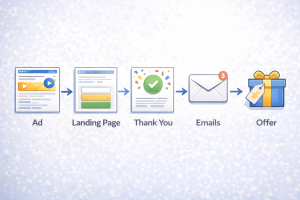
What Makes a Funnel Work Well?
A good funnel:
Immediately communicates the benefit of your offer
Has no confusing steps
Keeps people moving forward without friction
Great landing pages are essential to your funnel, so don’t miss these proven high‑converting landing page tips that simplify your funnel and improve conversions.
Make sure your landing page:
• Clearly states the value of your lead magnet
• Matches the messaging from your ad
• Has a simple form (name and email are often enough)
Your thank‑you page should:
• Confirm that the lead magnet is on the way
• Briefly set expectations (check your email, here’s what to do next)
Your nurture sequence should:
• Deliver value (don’t sell right away)
• Warm up the lead
• Gently move them toward your main offer
If your lead magnet is a “Content Planner Template,” your nurture emails could walk through:
Email 1: Here’s your planner + how to use it
Email 2: A quick tip for using it right
Email 3: A story about how it helped someone solve a problem
Email 4: Your main offer
Make sure each step feels natural and relevant so that when people get your main offer, they’re already primed to see the value in it.
Step 5, Set Up Basic Tracking So You Can Measure Results
You cannot improve what you don’t measure. That’s why one of the most important parts of how to prepare before running ads is setting up basic tracking.
Tracking helps you understand:
• Whether your ads are delivering clicks
• If people are converting into leads
• Whether leads turn into customers
• Where people drop off in your funnel
Without tracking, you’re flying blind. It’s like driving at night without headlights, sure, you might get where you’re going, but it’s not a smart bet.
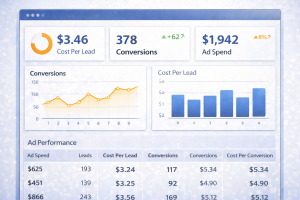
What Should You Track?
At a minimum:
• Ad clicks
• Landing page conversions
• Email opt‑ins
• Purchases (if you have an offer yet)
Most platforms (like Meta) use a tracking pixel to monitor these events. Install the pixel on your landing pages and set up conversion events for leads and sales.
Even a simple spreadsheet can help you log:
• Ad spend
• Number of leads
• Cost per lead
• Sales from those leads
Over time, this data tells you what’s working and what needs fixing.
Bonus Tips to Help You Prepare Before Running Ads
Now that you have a solid foundation for how to prepare before running ads, here are some additional tips that seasoned marketers use to boost results even further.
If growing your list feels overwhelming, dive into this step‑by‑step system to grow your email list fast, especially if you’re just starting out.
Tip 1: Use Audience Insights from Organic Content
If you already post organically, you can use demographic feedback to guide your ad targeting. For example, if most of your organic engagement comes from people aged 25–34 who are interested in entrepreneurship, that’s a great starting point for ad targeting.
Tip 2: Keep Your Creative Fresh
Ads get tired quickly. Try multiple creatives, images, short videos, different hooks, to see what resonates. Meanwhile, don’t be afraid to update your ad creative every few weeks if performance drops.
Tip 3: Don’t Obsess Over Perfection
Yes, it’s important to prepare before running ads, but too much tinkering can lead to analysis paralysis. Get a solid setup, test, collect data, and improve over time.
You can also use these content ideas to warm up your audience before selling, which strengthens your messaging before you ever spend on ads.
Tip 4: Aim for Incremental Wins
You don’t have to make everything perfect on day one. Set reasonable goals like improving your landing page conversion by 10% or lowering your cost per lead by 20%. Incremental improvements add up quickly.
How This All Ties Into Your Internet Profit Success
Every marketer wants “Internet Profit Success.” The truth is, ads are one of the fastest ways to scale, but without preparation, you’re far more likely to spend money without seeing the return you dream of. When you prepare before running ads, you create conditions where ads work for you, not against you.
Think of your prep work as building a machine. Once it’s well‑built with refined messaging, a valuable lead magnet, a clear funnel, and tracking that tells you what’s happening, your ads don’t just run… they deliver data, clarity, and ultimately revenue.
People who skip this step often blame the platform (“Facebook is too expensive”), but most of the time, the real issue lies in unclear messaging, poor targeting, or a confusing funnel. By focusing first on preparation, you significantly increase your chances of Internet Profit Success
A Quick Recap on How to Prepare Before Running Ads
Let’s wrap up the key steps so you can quickly reference them:
Clarify exactly who you serve and what problem you solve.
Build a simple, high‑value lead magnet that makes people want to give you their email.
Test your messaging organically before paying to promote it.
Build a clean, logical funnel that moves people from curiosity to action.
Set up basic tracking so you know what’s working and what’s not.
Final Thoughts on Wise Preparation and Smarter Ads
There’s a reason top marketers talk about preparation before running ads like it’s a secret sauce: because it truly is the difference between stress and strategy. You’ll spend less time guessing and more time improving. Even if you’re a beginner, these foundational steps will give you confidence and clarity, making ads feel less like throwing darts and more like steering with a map.
And once your campaigns are ready to go, don’t forget to diversify with other methods like these best free traffic sources for online marketing to boost reach even more.
Always remember, ads amplify. So when you prepare before running ads, you’re not just spending smarter, you’re setting a foundation for long‑term growth, better performance, and yes, real Internet Profit Success.
Now go build something awesome, and get those ads ready for lift‑off!
