
7 Simple Facebook Growth Strategies
Every Marketer Needs These!
If you’re running a page, brand, or business on Facebook and you’re serious about building a real, engaged audience, this post is your new blueprint. Below you’ll find 7 powerful Facebook growth strategies that combine smart page optimization, timing, content type, engagement tactics, and consistent analysis. Sprinkle in a bit of hustle, stay consistent, and you’ll be giving your page the best shot at steady growth and long-term wins. Think of it as your path to “Internet Profit Success”, but with community, reach, and real connections instead of cold‑hard sales pressure.
When you’re serious about building a real, engaged audience check our free traffic action plan for retirees
Why “Facebook Growth Strategies” Matters
Using “Facebook growth strategies” as your core focus is more than just marketing jargon. It frames your work as intentional, strategic, and sustainable. In a place where everyone is posting randomly and hoping for luck, being strategy-driven sets you apart.
Mixing in related concepts like best time to post on Facebook, how to increase Facebook followers, and Facebook Reels engagement tips, you’re building a full‑funnel approach: from attracting eyeballs, to encouraging action, to nurturing real interest.
Meanwhile, weaving in “Internet Profit Success” keeps your bigger mission in view, you’re not just chasing likes or vanity metrics, you’re building meaningful reach that supports your broader goals over time.
Don't fall foul of the 5 online business myths holding you back.
1. Optimize Your Page First, Build Trust from the Start
Why this matters
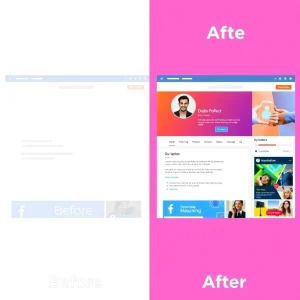
Your page is like your front door. If it looks half‑decorated, missing details, or sloppy, people scrolling by are unlikely to “come in” (i.e. follow, engage, trust you). A polished, complete, professional‑looking page builds instant credibility and encourages follows.
When someone lands on your page and sees a clear bio, a recognizable logo, maybe a link to your website or a call to action button, it says: “This person/business knows what they’re doing.” That trust translates into more follows, clicks, and long‑term fans.
Action Steps
Fill out all your Page info: your bio, website link (if you have one), contact info, maybe even a short “what we do” summary.
Use a clear, high‑quality logo (or profile picture) and an engaging cover photo, ideally one that visually communicates your brand or niche.
Enable Page follow + professional mode (if relevant in your region), or otherwise make sure “Follow” or “Like” actions are easy and obvious.
Add a CTA button (call-to-action), maybe “Send Message,” “Learn More,” “Visit Website,” etc., depending on what you want.
Example
Imagine a fitness coach creating a new brand page. They upload a crisp, well-lit profile photo (maybe them in action or a clean logo), write a bio that clearly states what they offer (“Helping busy folks build strength & confidence in 20 min workouts”), add a link to their personal site or sign-up form, and enable “Follow.”
Within two weeks of doing this, they notice a 10–15% uptick in follower requests, partly because the page looks legit, and partly because it’s easier for people to hit “Follow” without digging.
2. Post at Engagement Peak Times, Catch the Scroll at the Right Moment
Why the timing of your posts deeply affects your visibility
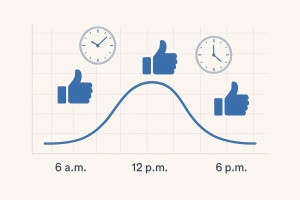
On Facebook, when you hit “publish” isn’t random fluff, it can actually influence how many people see your content. Because the platform’s algorithm (and user behavior) tends to favor fresh, timely content, posting when your audience is active gives you a better shot at early likes, comments, and shares. Those early interactions can then amplify your post to more people.
If you throw a post out in the middle of the night (or at a moment when most of your audience is offline), it might get buried before anyone even scrolls through.
What the “data” suggests, good times to post
Weekday mornings often shine. For many niches and industries, early‑morning posts tend to perform well, with peaks around 5 AM on some days.
Several studies flag Tuesdays through Thursdays as solid posting days.
That said, your audience matters most. Use native analytics (like Page Insights) to check when your followers are online. Then schedule posts accordingly (more on that soon).
Action Steps
Check your audience’s active hours via Facebook Insights (or similar built‑in tools).
Start by testing posting times in early morning slots (for example around 5–8 AM) on weekdays.
Track engagement metrics (likes, comments, shares, reach) per post time, and refine based on what works.
Be consistent. Posting regularly at peak times conditions your audience to expect content, which can improve visibility over time.
Make sure you plan your posts to get the most traffic. How to use Google Docs for affiliate marketing can be a useful tool to help with this.
3. Create Conversation‑Starter Content, Engagement Is Queen
The power of interactive, relatable posts
Algorithm algorithms might sway what people see, but engagement (comments, likes, shares) is often what makes content spread. When you create posts that invite conversation, you’re giving people a reason to stop, engage, and become part of your community.
That means ditching passive posts every now and then, and leaning into content that encourages back‑and‑forth: questions, polls, “this-or-that” prompts, relatable statements, controversial friendly takes (but not dodgy), or anything that makes people want to give their take.
Action Steps
Ask open-ended, relatable questions in your captions: “Which workout tip changed your life?”, “What’s the number one thing you struggle with when learning new skills?”, etc.
Use simple polls, through Stories or even text‑based posts. A “this or that” graphic works great.
Respond quickly to every comment, engagement often snowballs once a thread gets going.
Mix in personal or behind-the-scenes content when appropriate, people connect with authenticity.
Example
Say you run a page about productivity and mental clarity. Post something like, “What’s your biggest distraction when trying to focus, phone, noise, deadlines, or something else? Drop your pick below.” Once comments start rolling, you jump in to reply, share your own answer, maybe even poke a little fun at yourself. Over time, people start to recognize that as “the place” to talk honest stuff, which builds loyalty.
4. Publish More Reels, Stories & Short Videos, So You Ride the Algorithm’s Favor
Why short-form, native content works
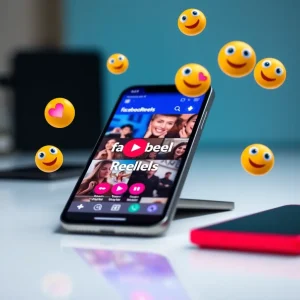
In 2025, the platform (let’s call it Facebook, but really, “Meta‑verse social”) is heavily favoring short-form, native content, especially vertical video, Reels, Stories. These formats tend to get more reach because they’re optimized for mobile, quick consumption, and high engagement (watch time, comments, shares).
For example, Reels between 15–30 seconds tend to hit a sweet spot, short enough to keep people’s attention, but long enough to deliver value or a message.
On top of that, original content that holds attention can signal to the algorithm that your page is alive, interesting, and worth showing to more people.
Action Steps
Post 2–3 Reels per week, ideally with strong hooks in the first 2–3 seconds.
Use vertical videos (9:16 ratio), add captions (since many watch with sound off), and keep total length around 15–30 seconds.
Use Stories: polls, quizzes, “behind‑the‑scenes,” quick updates, to keep engagement frequent and low-friction.
Go live occasionally, even a short, 10‑min live video can build deeper connection and push reach.
Always optimize thumbnails / first frames for curiosity or value.
Example
Imagine a cooking page doing quick recipe reels. Instead of a long 5-minute video, they share a 20-second clip: “3-ingredient mug cake in 30 seconds 🍰, here’s how.” Hook hits fast, video is digestible, and viewers are more likely to watch to the end, which makes the algorithm happy.
5. Cross‑Pollinate with Groups & Collaborations, Expand Reach Organically
Why collaborating and using groups can multiply your exposure
Groups are communities. When you share your content (when appropriate!) into niche-specific groups, or collaborate with other creators/pages, you tap into other people’s audiences. That’s often more effective (and cheaper) than shouting into the void on your own.
Plus, collaborations or community-based sharing can bring social proof: if another community or creator vouches for you, even indirectly, your credibility goes up.
This will improve your backlinking as well. More help on this is available at the ultimate guide to free backlink strategies 2025.
Action Steps
Identify relevant Facebook Groups in your niche (but don’t spam them). Share top-quality posts there that could genuinely benefit group members.
Consider starting your own small community group around your niche, a place for followers to hang out, ask questions, and feel part of something.
Collaborate with other pages or creators: co‑host Lives or share each other’s posts. Partner up in a way that benefits both sides.
Be genuine. Value must come first, don’t just drop links, offer real content or value.
Example
Say you run a personal finance page. You could join a “young professionals budgeting” group (or two), and share a helpful post you made, maybe a poll about biggest money mistakes. That can bring in new followers who are already interested in your niche. Alternatively, team up with a budgeting app or another creator who teaches investing, and do a live Q&A together.
6. Lean on Paid Boosts, When Used Smartly
Why paid promotion (sparingly and smartly) still works
Organic reach can only take you so far, especially with algorithm shifts. Once in a while, boosting a post (or running a small ad budget) on a high-performing piece of content can give you a meaningful bump. It’s like giving your best post a megaphone so more people see it.
But the trick is: only boost the best content. If it’s not resonating already, boosting it won’t magically make it great.
Action Steps
Keep an eye out for your top-performing Reels/posts, high engagement, shares, comments, or organic reach.
Boost those posts, targeting a relevant audience in your niche.
Monitor results closely, number of new follows, comments, and overall reach.
Use paid boosts sparingly, let organic + valuable content do the bulk of the work.
Example
You post a testimonial clip from a satisfied customer or follower, maybe a 20-second reel showing a “before/after” story or a transformation. It gets great organic engagement. You decide to boost it with a small budget. Overnight you see 100+ new follows and a spike in engagement, but because you only boosted this top performer, the return justifies the small spend.
7. Always Analyze, Tweak & Repeat, Keep Improving Over Time
Why regular review and iteration is critical
Growing on Facebook (or any platform) isn’t a one-and-done game. Trends shift, audience behavior changes, algorithms evolve. What works today might underperform tomorrow. That’s why a cycle of measuring, adjusting, and testing is key.
If you don’t track your metrics, reach, engagement, follower growth by post type/time/format, you’re basically guessing. But if you pay attention, you can double down on what works and dump what doesn’t.
The main pitfalls that need to be avoided are found in the fatal mistakes new internet marketers make.
Action Steps
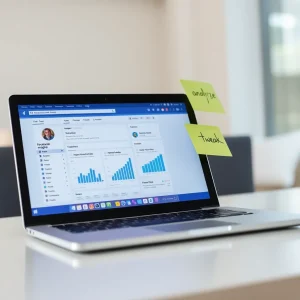
Use Facebook’s analytics tools (Insights or any third‑party analytics) to track performance weekly or bi‑weekly.
Track which post types bring in the most followers or engagement (Reels vs Stories vs Posts vs Lives etc.).
Compare posting times vs performance, maybe mornings work, but afternoons bring better engagement on certain types of posts.
Try new formats or content angles occasionally (without abandoning what works).
Drop or rework what underperforms, and double down on winning formats.
Example
If you notice that your video posts get 3–4× more reach than regular image posts, you might decide to cut down on images and ramp up Reels and short videos. Or you might find that polls in Stories lead to regular engagement, so you do more of those. Over time, your strategy becomes data‑driven, not guess‑driven.
Bringing It All Together: A Sample Weekly Game‑Plan
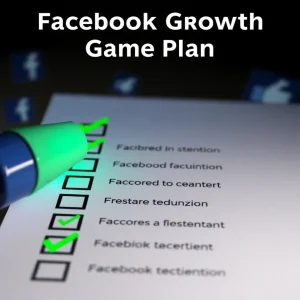
Here’s how a week could look if you apply all 7 strategies.
Monday (morning): Optimize your page and run a quick “welcome post”, e.g. a simple question to your followers.
Tuesday (5–8 AM): Drop a short Reel (15‑30 sec) with a strong hook + captions.
Wednesday (midday): Share a conversation / poll post or short Stories, ask an open question, reply to all comments.
Thursday: Post a value-driven image or mini-post + repurpose last week’s best performing content, maybe cross-post to a relevant group (without spammy vibes).
Friday (boost day): Choose your top-performing Reel or post from the week and give it a small paid boost targeting a relevant audience.
Weekend (Saturday / Sunday): Go live (casual, 10–15 mins), or do behind-the-scenes Stories, keep it light, engaging, community-focused.
Every week: Review your analytics, see what’s working, what isn’t. Adjust the schedule or content types accordingly.
Why This Approach Is Smarter Than Chasing Virality
Going viral feels awesome, but it’s unpredictable. The problem with relying solely on big viral bursts is that they rarely lead to sustained growth, often, engagement spikes and then fades. A long‑term, consistent strategy built around value, engagement, and timing tends to create more reliable momentum.
With these “Facebook growth strategies,” you’re building a foundation: a page that looks good, content that resonates, timing that hits, community engagement, smart use of algorithm-favored formats, and a feedback loop that helps you get better over time.
That’s the kind of growth that lasts. That’s the kind of growth that leads to real fans, real community, and real results.
Final Thoughts
If you take one thing away, treat your Facebook page like a real little business. Give it a good setup, post smart, value-first content regularly, get people talking, use Reels and Stories, collaborate, test boosts, and analyze your results.
Do that consistently, and you’ll be building something that looks less like “random social media posting,” and more like a real, strategic growth engine.
For the retiree's that are new to marketing you may find online marketing for retirees using AI tools a useful resource.
And yeah, while you’re at it, keep your eyes on “Internet Profit Success”: use your growing audience to build relationships, trust, and opportunities. 9 affiliate offers for beginners, will be good for readers who want to dive deeper into affiliate, SEO, and long-term growth.
Ready to get started? I’d suggest sketching out a 4‑week posting plan now, even rough outline works.
These 5 FREE VIDEOS will give you a head start
