
Affiliate Marketing Mistakes Beginners Shouldn’t Make
7 Common Ones
So you’re diving into affiliate marketing, dreaming of building a legit income stream while sipping coffee in your PJs. That’s awesome, but before you jump in full throttle, there are a few common affiliate marketing mistakes beginners make that can throw you off course pretty fast.
If you steer around these traps from the get‑go, you’ll save yourself headaches and wasted time. In this post I’m calling out the most frequent beginner affiliate mistakes, and offering real‑world fixes so you can build something that lasts.
Why it matters
Affiliate marketing has massive potential, if you do it right. But if you go in blind, those shiny promises of quick success can lead you into pitfalls that zap your momentum and kill trust with your audience. Avoiding these common mistakes doesn’t just prevent failure, it sets the foundation for long‑term growth, credibility, and real results (aka what I call “Internet Profit Success”).
1. Focusing on Sales Over Helping

One of the biggest, and sneakiest, affiliate marketing mistakes beginners make is treating affiliate work like a sales pitch rather than a solution.
Let’s be real: Nobody likes a hard sell. If you lead with “Buy this now!” you risk turning people off before they even read your content.
How to fix it:
Adopt a help-first mentality. Instead of pushing a product, focus on a real problem your audience has. Show them how the product solves that problem, then casually mention your affiliate link.
Be honest and balanced. Share both pros and cons of whatever you're recommending.
Authenticity builds trust, and trust converts.
Use storytelling: talk about personal experience (or a hypothetical situation) where the product made a real difference (or didn’t). That helps your audience connect with you and your message.
Example: Suppose you’re writing about a weight‑loss supplement. Don’t just hype it. Instead, talk about what prompted you to try it, how it helped you (or didn’t), where it fell short, and who it's suitable for, then include your link.
Why this matters:
A “help-first” approach doesn’t just feel better, it performs better. When you build trust and provide genuine value, people are far more likely to listen to your recommendations. And that leads to long-term success, rather than quick fades.
2. Choosing Products Without Research or Passion
Another rookie trap: Promoting products you know nothing about, often because you chase high commissions or join the hottest programs. But promoting bad or irrelevant products? That can wreck your reputation before you even get started.

How to fix it
Stick to products you’ve used or thoroughly reviewed. If you can’t try it yourself, at least do in‑depth research.
Check for quality, refund rates, real reviews. Don’t just look at flashy sales pages. Make sure the product actually delivers value.
Choose products aligned with your niche and passions. This makes your content flow better and helps you come across as genuine, not just someone chasing commissions.
If you’re not sure where to start, here are 9 offers made for newbies.
Why this matters
Promoting low‑quality or irrelevant products does more harm than good. Not only will conversions suffer, but trust takes a hit. And once trust is gone, it’s very hard to win back.
3. Producing Low-Quality Content
Some beginners think: “If I publish a lot, I’ll get results fast.” But more often than not, that leads to shallow, rushed content, and that rarely works.
Quality over quantity wins every time.
How to fix it
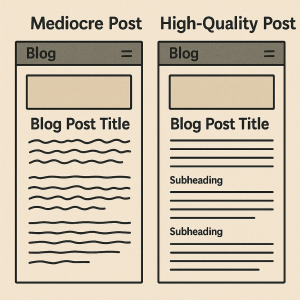
Take your time to craft useful, polished content. Spend effort on clarity, structure, and delivering real value.
Focus on readability. Use headings, short paragraphs, bullet points, stories, make your content easy to scan and pleasant to read.
Deliver insights, not fluff. Go beyond surface-level promos. Dive deep, show analysis, and provide actionable value.
Example: Instead of writing five quick blog posts about “Product A review,” “Product B review,” etc., write one detailed, thoughtful post comparing A vs. B, including pros, cons, who each product is best for, and real‑world use cases.
Why this matters
High-quality content builds authority, inspires trust, and encourages people to stick around, and that’s what creates consistent clicks and conversions over time.
4. Skipping SEO and Discoverability
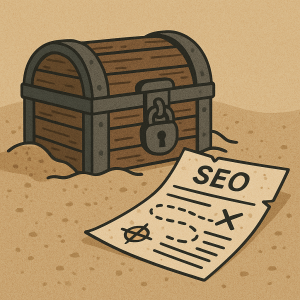
Even the best content doesn't matter if nobody ever finds it. Ignoring search engine optimization is one of the biggest beginner affiliate mistakes out there.
When you skip SEO, your content might as well be invisible. Meanwhile, other sites that optimized will get all the traffic and sales.
How to fix it
Do keyword research. Find what people are actually searching for, especially long-tail keywords (e.g. “best budget blender for smoothies”) rather than ultra‑competitive broad terms.
Use keywords naturally in titles, headings, and body text. Don’t over-stuff; just make the content flow naturally.
Structure your posts for search engines: clear headings/subheadings, logical flow, internal links, maybe even images.
Think about evergreen content. Topics that stay relevant over time tend to perform better in the long run than seasonal or trendy topics.
If SEO feels overwhelming, this post breaks down a simple, evergreen content strategy that actually works.
Why this matters
SEO gives you sustainable visibility and traffic, without constantly chasing new eyeballs. Over time, that organic traffic becomes one of your most reliable assets.
5. Ignoring List Building (Email & Audience Growth)
Relying only on one source, like blog traffic or social media, is risky. If that platform changes rules, or your traffic tanks, you’re left scrambling. That’s why ignoring list building is such a common affiliate marketing mistake beginners make.
How to fix it
Start building an email list early. Offer a lead magnet (free guide, checklist, report) to encourage sign-ups.
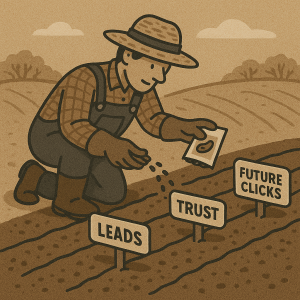
Stay in touch over time. Send helpful content, not just promos, build a relationship, not just sales pitches.
Use multiple channels. Don’t just rely on search traffic; combine blog, email, maybe video or social to spread risk and reach more people.
Why this matters
With an email list or repeat audience, you’re not at the mercy of search algorithms or social platform changes. You control part of your traffic, and that stability can make or break long-term success.
6. Relying On One Channel or Program
It’s tempting to stick with what’s comfortable, say, just blogging, or just one affiliate program. But that’s a fragile strategy. If that channel or program fails you lose everything.
How to fix it
Diversify traffic sources: combine blog, email list, social media, maybe even video or podcasts.
You could even go fully behind‑the‑scenes with a faceless online business, no video camera needed.
Use more than one affiliate program within your niche. Don’t “put all your eggs in one basket.”
Balance high‑ticket and low‑ticket products, or recurring and one‑time offers. That way you hedge against changes in demand or program payouts.

Example:** If you only promote one high‑commission product and that program shuts down, you're left with nothing. But if you have 2–3 quality products across different programs, you spread the risk and increase stability.
Why this matters
A diversified approach ensures that if one stream falters, your whole biz doesn’t collapse. Instead, you’ll still have other channels and partnerships sustaining you.
7. Not Tracking or Reviewing Links & Performance
Finally, and maybe most dangerously, many newbies skip tracking. They slap links in posts, forget about them, and hope for the best. That’s a big mistake.
Broken links, poor-performing offers, or just plain underperforming pages can silently kill your potential.
How to fix it
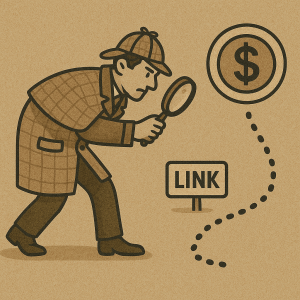
Use link shorteners or a link management tool. This keeps your URLs clean and lets you manage/redirect links if things change.
Set up performance tracking: monitor clicks, conversions, traffic sources, maybe even use UTM tags to see where links come from.
Review and optimize regularly. At least once a month, check what’s working and what’s not, then prune, update, or replace poor performers.
Why this matters
Without tracking, you’re basically flying blind. You won’t know what to double down on, and you could be wasting time promoting stuff that yields nothing.
Bonus Mistakes (Beyond the Seven)
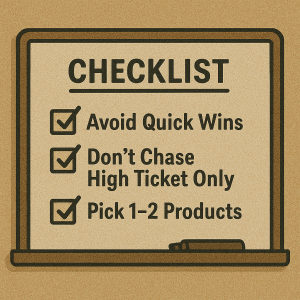
While the “big 7” above cover most common pitfalls, here are a few extra traps I’ve seen newbies fall into, or have fallen into myself, and how to avoid them:
Expecting Quick Wins or Overnight Success. Affiliate marketing takes time. Treat it like a marathon, not a sprint.
Chasing high‑ticket only products. Big commissions are nice, but high price tags often mean fewer buyers. Sometimes lower‑cost, high‑volume products convert better.
Promoting too many products at once. Spreading yourself too thin dilutes your message and confuses your audience. Better to master a few good products than push a dozen mediocre ones.
Copying others too closely. What works for someone else might not work for you. Don’t just mimic, iterate, adapt, and build something unique.
Putting It All Together: Your Fix‑It Plan for Real Results
Okay, so you’ve read through the common mistakes and how to avoid them. Here’s a simple, clear blueprint you can use right now to build a strong foundation:
Start with “help first” content, aim to solve a real problem before mentioning any product.
Pick 1–2 products you truly believe in (and ideally have experience with).
Invest time crafting high-quality, well-structured content, focus on value, readability, and clarity.
Do proper keyword research and basic SEO so your content has a chance to be found.
Begin building an email list or second content channel for long-term audience control.
Diversify, use multiple traffic channels + more than one affiliate program to spread risk.
Use link tracking and analytics, and review your performance regularly. Optimize what’s working, ditch what’s not.
If paid ads failed you, here’s a free‑traffic blueprint to start over without risking cash.
Why Avoiding These Mistakes Leads to “Internet Profit Success”
When you avoid rookie mistakes and instead build on trust, value, and smart strategy, you’re not just chasing quick cash. You’re setting up for lasting growth. Long after hype fades, good content, loyal audience, and diversified income streams can keep your affiliate business alive and thriving.
Think of it as building a real brand, not a quick hustle. Over time, as you refine your content, adapt to your audience, and optimize your work, you’ll see compounding returns, fewer headaches, better conversions, and maybe even true passive income.
Meanwhile, you’ll also build credibility. People will trust your opinion, return to your site, join your list, and maybe even start recommending you to others. That’s gold.
Final Thoughts
If you’re new to affiliate marketing, take a deep breath. Starting is exciting. But rushing in without a plan or ignoring what works can lead you down frustrating roads.
By avoiding these common affiliate marketing mistakes beginners make, and focusing instead on value, trust, quality, and smart strategy, you’re giving yourself the best shot at long-term success.
So take your time, do the work, keep learning and improving, and build your path to “Internet Profit Success.”
These 5 FREE VIDEOS will accelerate your learning
