
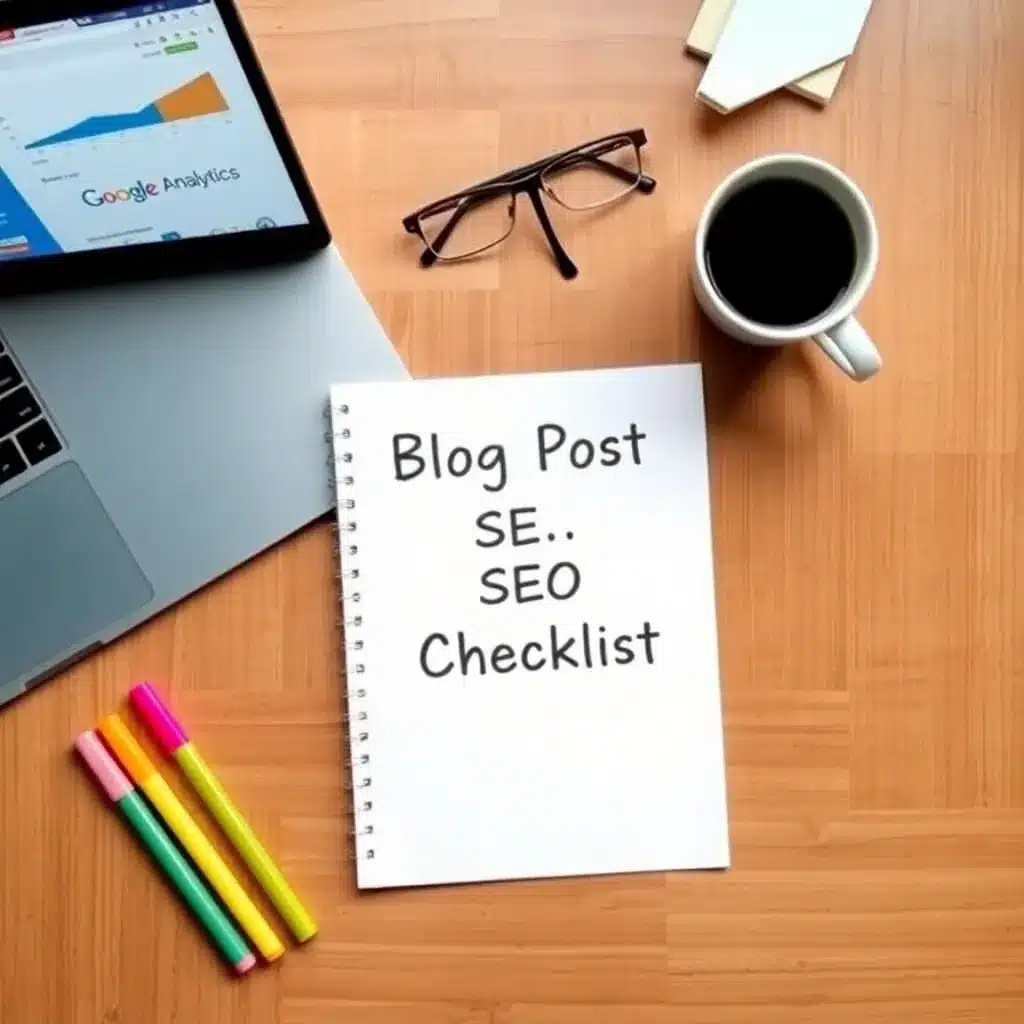
Blog Post SEO Checklist
How to Write an SEO Blog Post That Ranks

If you’ve ever stared at your screen wondering how to make your blog posts actually show up in search engines, you’re in the right place. This blog post SEO checklist isn’t some half‑baked list of vague tips, it’s a detailed, easy‑to‑follow roadmap that will help you write blog content that ranks, engages readers, and unlocks Internet Profit Success along the way.
Whether you’re a total beginner or you’ve been blogging a while with little traffic to show for it, this guide will walk you through everything you need to do from keyword research to promoting your post after publishing, in a fun, conversational way that actually keeps you reading.
1. Start With Smart Keyword Research
Before you write a single word, choose what you want to rank for. That means picking a main keyword phrase and a few related search terms. Your main phrase for this article is blog post SEO checklist, and supporters like how to write an SEO blog post and blogging SEO best practices help paint the full picture.
One of the biggest traps new bloggers fall into are the 5 online business myths holding you back from ranking and visibility, believing passion alone is enough, or expecting instant traffic.
Keyword research tools and even Google’s own related searches can help you see what real people are typing into the search bar so you write content that matches actual intent.
But why does this matter? Because using targeted keywords in the right places tells search engines exactly what your post is about, and it helps the right readers find you. Without this first step, you’re basically throwing spaghetti at the wall and hoping something sticks.

2. Outline Your Post With Structure in Mind
It’s tempting to just start typing, but trust me, a little planning goes a long way. Think in terms of sections:
• Introduction
• Main Takeaways (your checklist steps)
• Examples
• Actionable tips
• Conclusion
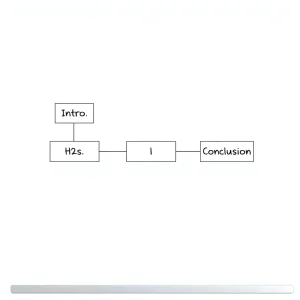
A good structure helps both people and search engines understand your content. It also gives you a game plan so you’re not staring at a blank page the whole time.
Structuring before writing ensures you cover each point thoroughly, and it gives you a roadmap to help you smoothly integrate your main and related keyphrases throughout the text.
3. Craft a Headline That Grabs Attention
Your headline is your first impression, so make it count. A good headline does three things:
Uses your main keyword early (like blog post SEO checklist)
Offers value or a clear promise
Sparks curiosity without being misleading
For example, the headline we chose above includes the main keyword and hints at a bigger benefit, Internet Profit Success, which makes readers curious to learn more.
A compelling headline doesn’t just improve SEO, it increases click‑through rates in search results and social feeds too.
4. Write an Engaging Intro That Hooks Readers
Here’s the part where you pull people in. Start by addressing a problem or question that your audience cares about, like spending hours writing content that never gets seen. Then promise a solution.
For example:
Have you ever spent hours on a blog post only to hear nothing afterward? You’re not alone. The good news is there’s a method behind getting your posts seen, and this blog post SEO checklist will walk you through it step by step.
This approach keeps readers reading and signals to search engines that your content matches user intent, both big wins.
5. Deliver High‑Value Content With Real Examples
Now that you’ve hooked your reader, it’s time to deliver. For each step in your checklist, go beyond vague advice, give helpful explanations, relatable scenarios, and practical examples readers can apply right away.
For instance, when talking about keyword placement, don’t just say “use the keyword in your headings.” Instead, explain that putting “blog post SEO checklist” in your H1 and H2 headings helps clarify your topic to both readers and search bots. Examples like that turn abstract ideas into real takeaways.
his is especially true when you build SEO evergreen content tips for affiliate success into your posts, these kinds of articles attract traffic and remain relevant longer.

Remember, detailed, helpful content does two things, it keeps people on the page longer, and it signals to search engines that your article is high quality and satisfying user intent.
6. Break Up Text With Subheadings and Easy‑to‑Digest Sections
Nobody likes a giant wall of text. Use headings and subheadings to make your post scannable, which helps readers and also gives search engines more places to include your main and related keywords.
Plus, strategic headings let you include your main phrase (e.g., blog post SEO checklist) in at least half of them, which boosts relevance and readability.
7. Sprinkle Keywords Naturally Throughout Your Content
Here’s where your keyword strategy really pays off. Include your main keyword blog post SEO checklist in:
• The title
• The introduction
• Most subheadings
• The conclusion
• Naturally throughout the body text
Don’t force it, the trick is to make it feel natural so it reads smoothly. Use related terms like how to write an SEO blog post and blogging SEO best practices where appropriate to reinforce the topic without sounding repetitive.
8. Use Helpful Visuals (Even Though This Guide Is Text‑Only)
While we aren’t including actual images here, always keep in mind that in your real posts, visuals like screenshots, charts, and graphics do matter. They help break up text, reinforce examples, and improve engagement, which ISOUX signals to search engines that people like your content and stay longer.
In practice, you would add relevant visual examples, labeling them logically and using keyword‑rich alt text for SEO.
Once you’ve got ranking traffic from this blog post SEO checklist, you might want to explore affiliate offers for beginners that actually pay, a great way to turn eyeballs into income without overwhelm.
9. Think Meta: Titles, Descriptions, URLs
On‑page SEO is about more than the visible text. Your page title tag and meta description are your opportunity to boost click‑through rates from search engines.
Make sure:
• Your main keyword appears near the start of the title
• Your meta description includes the main phrase and speaks to the reader’s intent
• The URL slug is short and contains your main keyword
And don’t forget about backlinking, even a few smart links can boost authority. You can learn free backlink strategies to boost your blog authority without spending a penny.
These elements help search engines understand your content context and improve the chance real people will click through.
10. Add Internal and External Links Thoughtfully
Linking is like giving credit where it’s due. Internal links point readers to other helpful content on your site, increasing dwell time. External links to reputable sources reinforce credibility and contextual relevance.
Both internal and external links are an important part of on‑page SEO and auxiliary to your blog post SEO checklist strategy.
11. Write in a Natural, Human Voice
You can cram keywords everywhere, but if it sounds robotic, readers will bounce, and that tells search engines something isn’t working. Write for humans first and search engines second, blending clarity, personality, and helpfulness throughout. Use transitional phrases like however, for example, meanwhile, in addition to keep the flow smooth and enjoyable.
12. Polish With Proofreading and Formatting
Before you hit publish, check your content for grammar, clarity, and formatting. Read your draft aloud or use a proofreading tool. Check that your headings align with your structure, and that your keyword usage feels natural.
This final polish ensures you’re delivering a post that not only ranks but also resonates with real readers.
13. Promote Your Post After Publishing
SEO doesn’t end at publishing. Share your content on social media, newsletters, and relevant groups. This drives early traffic, boosts engagement, and can lead to backlinks, one of the strongest ranking signals.
Sharing your post is just the start, building steady visibility also involves a free traffic action plan for sustainable growth that keeps readers cycling back to your content.
Tracking performance in analytics helps you understand which parts of your post are connecting and where you can improve next time.

Conclusion
If you follow this comprehensive blog post SEO checklist, you’ll do more than just write another blog post, you’ll create content that stands a strong chance of ranking, engaging readers, and driving the kind of visibility that leads to Internet Profit Success.
From researching keywords and crafting irresistible headlines to structuring thoughtful content and optimizing behind the scenes, each step builds on the last. With practice and consistency, this checklist becomes a repeatable process that boosts your confidence and your traffic.
Now get out there and write that blog post, your audience is waiting.
Get there faster by watching these 5 FREE VIDEOS
