

Honest Online Marketing Tips for Beginners
That I Wish I Knew

Getting started with online marketing tips for beginners feels like being handed the keys to a jet and told, “Go fly.” You’re excited, you’re ready, and also, you’re kinda scared you’ll crash right away. In reality, beginners often hack away at every channel, tool, tactic, funnel, platform, and ninja trick they can find, only to end up overwhelmed, burnt out, or stuck chasing shiny objects.
This long‑form guide is the honest, practical, and slightly humorous playbook I wish someone handed me on Day One. It blends audience building and early monetization, shows you what actually works (and why), and gives you action steps, examples, and mindset shifts that stop the guesswork. Before you dive into tactics, take a moment to understand how others are turning simple strategies into consistent revenue year over year.
Here’s what you’ll learn inside:
How to clarify your goals so you don’t spin your wheels.
How to serve the right people, not everyone.
How to pick and master one platform instead of juggling five.
How to start making real progress toward Internet Profit Success, even as a beginner.
Let’s dive in.
1. Define Your Goal First, Before Doing Anything Else
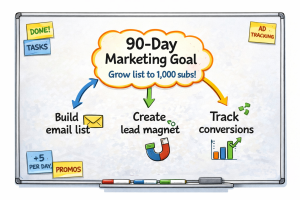
One of the biggest mistakes new marketers make is jumping directly into how to do something without knowing why they’re doing it. Seeing how others have refined their approaches can save you time and energy as you set your own 90‑day milestones.
Why This Matters
If you don’t know what you’re trying to achieve, you’ll waste time on tactics that don’t move the needle. You’ll chase likes, follows, or comments, but you won’t know whether any of it is getting you closer to your real objective, which might be building a list, making sales, or creating a community that will buy from you later.
What to Do Instead
Write one clear objective for the next 90 days.
Here are some real goals that match beginner intentions:
Build a 1,000‑person email list.
Launch a first offer that brings in $1,000 monthly.
Get 500 targeted leads from one channel.
Then turn that goal into real metrics you can track, like:
Weekly email signups.
Daily engagement.
Conversion rate from content to email opt‑in.
Example
If your goal is to sell a digital course on freelance pricing, your 90‑day action plan might be:
Build an audience of 1,000 ideal prospects.
Create and test a lead magnet (like a pricing guide).
Convert 15% of email subscribers to a low‑cost workshop first, then nurture toward the full course.
Now you have direction, not just tactics.
2. Get Crystal Clear on Who You Serve
Here’s another common trap: beginners try to speak to everyone, entrepreneurs, creators, coaches, freelancers, side‑hustlers… you name it. The result? You end up speaking to no one.
The Power of a Tight Audience
When you define an exact audience, even if it feels “too narrow”, your message becomes more relevant, memorable, and persuasive. You start resonating with people who actually need what you offer.
Action Steps
Create one or two buyer personas that include:
Age range
Job title or role
Main challenges
Where they hang out online
What success looks like to them
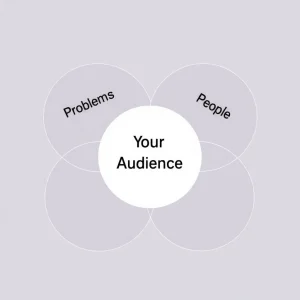
Then validate your assumptions by reading niche forums, groups, or communities and collecting real questions they ask.
Example
Instead of “help entrepreneurs,” narrow your target to:
Solo service providers who struggle to turn followers into paying clients.
You might notice they spend time on LinkedIn and ask questions like:
“How do I get clients without posting every day?”
“What should I charge for my services?”
“How do I get emails from cold social media audiences?”
Once you hear real language like this, your content becomes more relevant, and easier to sell.
3. Pick One Channel and Master It First
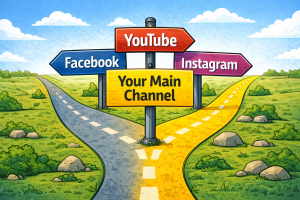
Beginners often think they should be everywhere at once:
Instagram
TikTok
Facebook
YouTube
LinkedIn
Twitter
Pinterest
Nope. Too much. Slow progress.
Why Channel Focus Matters
When you try to be on every platform, you spread yourself thin, create inconsistent content, and confuse your audience. Instead, pick one channel, the place your audience actually hangs out, and commit to mastering it for 90 days. Beginners often buy into myths that slow their momentum, like thinking passion alone is enough or that success happens overnight.”
How to Choose
Ask yourself:
Where does my audience already spend time?
Which platform suits my strengths (text, video, visuals)?
Where can I consistently show up?
Then build a simple content plan:
2 pillar pieces per month (like a long video, blog post, or webinar)
2–3 promotional posts per week
One weekly engagement session (commenting in groups, replying to DMs, participating in discussions)
This simple rhythm builds familiarity and trust faster than scattered posting.
4. Build Your Email List Early (Before You Need It)
If you’re relying only on social platforms, you do not own that audience. Platforms change algorithms, shadowban you, or collapse overnight, and then what?
But your email list? That’s your own audience. Those are real people who invited you into their inbox. If you’re working on email list building for the first time, check out this detailed tutorial that walks through setup, even if tech intimidates you.
How to Start List‑Building
Create a simple lead magnet your audience actually wants (a checklist, template, short guide).
Build a one‑page opt‑in form with an email tool like MailerLite, ConvertKit, or even embedding a form on your site.
Set a daily signup goal, even a modest 2–5 new subscribers per day compounds into momentum.
Example
If your audience is freelance designers:
Give away a pricing template or client proposal checklist.
After someone signs up, send a short 3‑email onboarding sequence that delivers value and teaches something cool.
Suddenly you’re building a list that loves what you do, and can buy from you later.
5. Prioritize Helpful Content Over Hype
Here’s a truth that separates hobby posters from professional marketers:
Helpful content builds trust. Hype doesn’t.
Posts that just scream “BUY NOW!” or promise “overnight success” make people scroll past you, or worse, unfollow.
What Helps Build Trust
Value‑driven content:
Answers a specific question
Shows a real example
Shares a small win or lesson learned
The key is to teach, not just sell.
Action Rule: 3:1
For every promotional post, publish three value posts. That ratio shows you’re there to help, not just to pitch.
Example
Instead of:
“Buy my course on Instagram success!”
Try:
“Here’s a 3‑step way to make your first 10 leads from Instagram this week (no paid ads).”
See the difference? One shares something useful. The other just screams BUY.
6. Learn Basic SEO So Your Content Works Longer
Social content is great, but it disappears after a few hours. SEO (search engine optimization) helps your content keep working for you months or even years later.
Why SEO Matters for Beginners
SEO helps people find your content when they’re searching for answers. That means fresh eyeballs without constantly posting new stuff forever. For long‑term discovery and compounding traffic, you’ll want to follow best practices and even explore deeper tactics for SEO and backlinks.
How to Use SEO Well
Start with the basics:
Keyword research (what people type to find answers)
Use your main keyword in titles and subheadings
Write content that matches search intent, not just promotional blurbs
For example:
If someone searches “online marketing tips for beginners,” your article should actually teach them beginner‑friendly, actionable marketing tips. Ultimate Guide to Free Backlink Strategies 2025
That’s exactly what we’re doing here, making your content searchable and valuable.
7. Track Metrics That Actually Matter
Most newbies obsess over “likes” or “followers”, but those aren’t true indicators of progress. What matters are metrics that tie back to your goal.
Metrics That Matter
✔ Email signups
✔ Leads per week
✔ Conversion rate (visitor → email, email → sale)
✔ Time on page for blog posts
✔ Cost per acquisition (if running ads)
Test, Track, Improve
Get into the habit of testing small changes and tracking results:
Try two different headlines.
Test two email subject lines.
Compare two thumbnails.
Then document what works (and what doesn’t) in a simple spreadsheet.
8. Start With Simple Offers and Validate Early
Beginners often ready complex or high‑priced offers before they have trust. That’s like trying to sell a full course before you’ve said hello. When it’s time to start earning and testing offers that match your audience, here’s a starter list of affiliate programs that beginners can promote with confidence.
Start Small and Learn Fast
Begin with:
A low‑cost workshop
A mini product ($10–$50)
Consult slots
A tiny digital toolkit
These offers are low‑friction, people buy them more easily. Then use the early feedback and sales to refine messaging and prove demand before scaling.
Example
Offer a $27 mini workshop on pricing or client acquisition. Use simple payment tools like Stripe or Gumroad. It’s easy to deliver, easy to sell, and gives you real revenue and testimonials.
Once you get sales, you’ve got both proof and cash to reinvest.
9. Manage Paid Ads Carefully
Paid ads can accelerate growth, but they’re not magic. Rookie marketers often overspend without understanding ROI.
How to Run Ads Wisely
Start with a small daily budget.
Have one clear conversion goal (like email signups).
Track cost per lead and cost per acquisition.
Scale only when the funnel converts profitably.
Treat ads like experiments, not automatic profit machines.
10. Protect Your Reputation, Be Transparent
Trust online is everything. If you hide affiliate links or exaggerate results, your audience will notice, and your reputation will shrink. If you’re thinking big, remember the timeless principles that connect mindset with execution when building a business online.
How to Stay Credible
✔ Always disclose affiliate relationships.
✔ Only recommend products you would use yourself.
✔ Share honest pros and cons.
Example
Instead of:
“This tool is the best ever!”
Try:
“Here’s how this tool helped me save time, and one limitation I ran into.”
Balanced honesty builds trust. Trust builds repeat buyers.
11. Use Tools, But Learn Fundamentals First
Tools are cool, but they’re helpers, not replacements for foundational understanding. Beginners sometimes rush to automation before they know the logic of funnels, audience needs, or good copy.
Fundamentals to Nail First
Audience research
Pitching value clearly
Funnel logic (awareness → interest → conversion)
Once you know the fundamentals, tools help you work smarter, not fake knowledge.
Example Prompt to Speed Content:
Use ChatGPT or similar to generate outlines, email sequences, or content ideas, but always add your own voice.
Prompt idea:
Write a 3‑email onboarding sequence for a lead magnet called Freelancer Pricing Secrets, include subject lines and engaging CTAs.
Then tweak it so it feels like you.
Summary: How to Win at Online Marketing as a Beginner
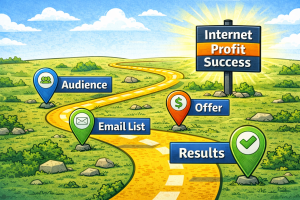
To wrap it all up, here’s the true path to Internet Profit Success with online marketing tips for beginners:
Start With Clarity
Know your goal and audience. Without that, everything else is noise.
Build an Audience
Pick one platform, show up consistently, and focus first on value.
Own Your List
Email is where long‑term relationships, conversions, and repeat sales live.
Give Help First
Value builds trust. Trust leads to income.
Validate Before You Scale
Test simple offers, track real metrics, and only invest in tools or ads after you understand the fundamentals.
If you follow these beginner‑focused, no‑nonsense online marketing tips for beginners, you’ll avoid common traps, solidify your foundation, and start making real progress toward both audience growth and early revenue.
